

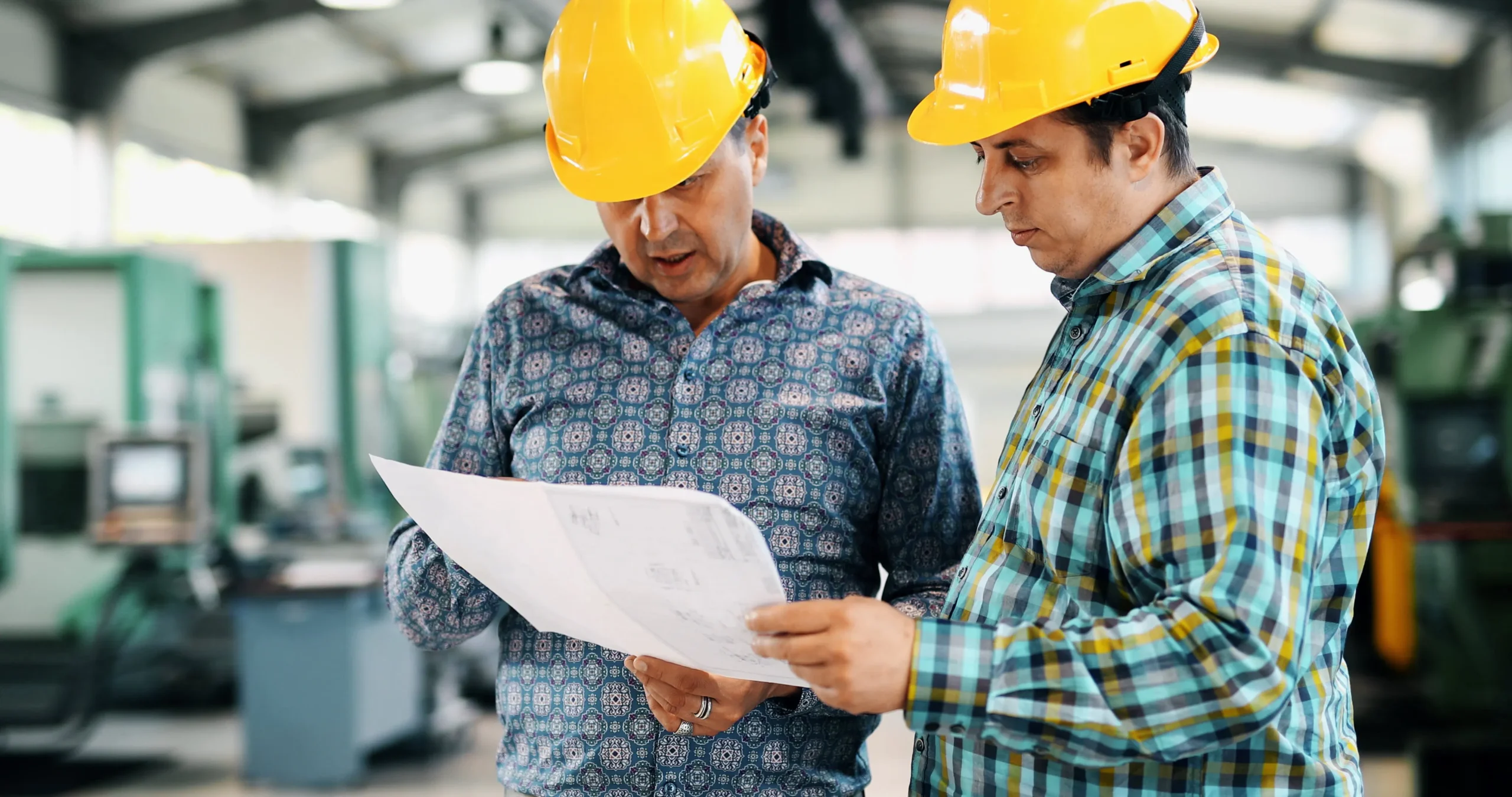
Property damage rarely occurs without warning. In many cases, small issues develop slowly and go unnoticed until they result in costly repairs. Preventive construction and proactive restoration play a critical role in extending the lifespan of residential and commercial structures, especially in regions where weather, age, and usage place ongoing stress on buildings.
In southern Idaho, properties are exposed to seasonal temperature swings, wind, snow accumulation, and moisture intrusion. Without proper maintenance and strategic upgrades, these conditions can accelerate deterioration. Preventive construction focuses on strengthening vulnerable areas before they fail, reducing long-term expenses and disruption.
Identifying Vulnerable Areas Before Problems Escalate
Every structure has components that experience more stress than others. Rooflines, exterior walls, foundations, and flooring are often the first areas to show signs of wear. Regular evaluation helps identify minor issues that can be addressed early.
Common warning signs include:
- Cracked or curling roofing materials
- Soft or uneven flooring surfaces
- Drafts or inconsistent indoor temperatures
- Visible moisture stains on walls or ceilings
- Deteriorating siding or exterior trim
Addressing these indicators early can prevent structural damage and reduce the need for extensive restoration.
The Role of Roofing in Preventive Construction
Roofing systems protect every other component of a building. A compromised roof allows moisture infiltration, which can damage insulation, framing, electrical systems, and interior finishes. Preventive roofing work strengthens this critical barrier.
Effective roofing maintenance and upgrades include:
- Replacing aging materials before failure occurs
- Improving ventilation to reduce moisture buildup
- Reinforcing flashing around penetrations
- Ensuring proper drainage and snow-shedding design
These measures reduce the likelihood of leaks and extend the overall life of the structure.
Siding and Exterior Systems as Protective Shields
Exterior walls and siding serve as a building’s first defense against wind, moisture, and temperature fluctuations. Preventive construction emphasizes the use of durable materials and proper installation techniques.
Key exterior considerations include:
- Moisture-resistant siding products
- Proper sealing around windows and doors
- Secure fastening systems for wind resistance
- Integration with insulation and vapor barriers
When exterior systems are properly installed and maintained, they significantly reduce the risk of hidden water damage.
Flooring and Subfloor Protection
Flooring issues often indicate deeper problems beneath the surface. Moisture intrusion, foundation movement, and improper installation can all compromise flooring systems over time.
Preventive flooring strategies focus on:
- Selecting moisture-resistant materials in vulnerable areas
- Ensuring proper subfloor preparation
- Addressing ventilation and humidity control
- Using materials suited to regional climate conditions
These measures help prevent warping, cracking, and uneven surfaces that lead to costly replacements.
Remodeling as a Preventive Strategy
Remodeling is not always about aesthetics. Strategic remodels allow property owners to upgrade aging systems, correct design flaws, and reinforce structural elements before failures occur.
Preventive remodeling projects often include:
- Updating plumbing and electrical systems
- Improving insulation and ventilation
- Reinforcing load-bearing structures
- Reconfiguring layouts to reduce wear patterns
By addressing these issues proactively, remodels can reduce future repair needs while improving comfort and functionality.
Additions That Strengthen, Not Strain, Existing Structures
Additions must be carefully planned to avoid placing excessive stress on existing foundations and framing. Preventive construction ensures that expansions enhance structural integrity rather than compromise it.
Important considerations include:
- Proper foundation support for new loads
- Seamless integration with existing framing
- Upgrading mechanical systems to handle increased demand
- Ensuring consistent weatherproofing across old and new areas
Well-executed additions contribute to long-term durability rather than accelerating deterioration.
Restoration After Damage: Building Back Stronger
When damage does occur, restoration provides an opportunity to correct weaknesses rather than simply restore previous conditions. Effective restoration addresses both visible damage and underlying causes.
Comprehensive restoration typically involves:
- Structural reinforcement where needed
- Replacement of compromised materials
- Moisture mitigation and prevention measures
- Integration of modern building techniques
This approach ensures that repaired areas are more resilient than before.
The Financial Benefits of Preventive Construction
Preventive construction and restoration significantly reduce long-term costs by avoiding emergency repairs and extensive damage. While proactive upgrades require upfront investment, they often save money over the life of the property.
Financial advantages include:
- Fewer emergency repair expenses
- Reduced insurance claims
- Lower maintenance costs
- Increased property value and marketability
Preventive strategies provide predictable costs and minimize disruptions to daily operations.
Importance of Regional Construction Knowledge
Local construction knowledge is essential for effective preventive planning. Professionals familiar with regional climate patterns, soil conditions, and building codes can identify risks that others might overlook.
Properties within a 100-mile radius of Burley, Idaho benefit from construction approaches tailored to both rural and urban environments. Experienced providers understand how seasonal changes affect materials and structural systems.
For property owners seeking proactive solutions across remodeling, additions, new construction, flooring, roofing, siding, and restoration services, trusted professionals such as Element Restoration offer comprehensive support designed to protect properties and reduce long-term repair costs.
