

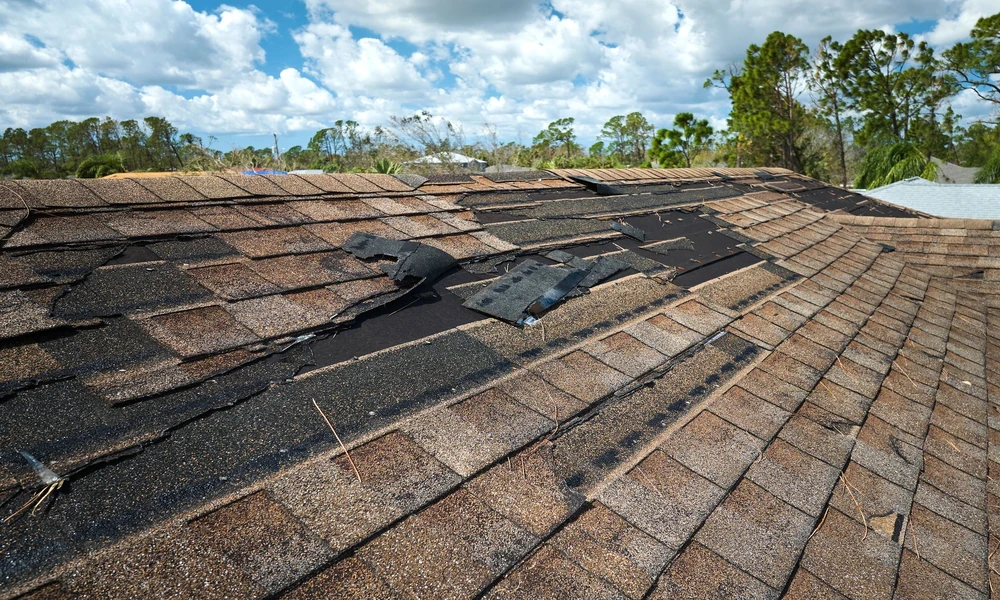
Roofs in South Louisiana rarely fail from one dramatic event alone. Most of the damage builds slowly. Heavy summer air, frequent afternoon storms, mild winters, and long stretches of damp shade all work on shingles, wood, and metal at the same time. A roof that would last 25 years in a dry climate can lose several of those years here if moisture is never managed.
The good news is that humidity damage follows predictable paths. Once you know where moisture enters, lingers, and breaks things down, you can spot trouble early, choose better materials at replacement time, and avoid paying for a full tear off when a targeted repair would have done the job.
For homeowners around Walker, Denham Springs, and the wider Baton Rouge area, Cannon’s Contracting looks at these moisture problems as part of every roof inspection, documenting ventilation, underlayment, and flashing conditions with photos before recommending anything. The team installs Atlas and GAF shingle systems as a certified contractor, fabricates standing seam metal panels and trim in-house, and backs its workmanship with a five-year labor warranty. If your roof is showing any of the signs below, a documented inspection is a sensible first step.
1. Black Streaks on Shaded Slopes
Those dark streaks running down a roof are usually not dirt or mildew. They are colonies of a blue-green algae called Gloeocapsa magma. It spreads by wind and thrives on slopes that stay damp, especially north-facing sections and areas shaded by live oaks or pines.
The algae feeds partly on the limestone filler used in many asphalt shingles. Over time the colonies hold moisture against the surface and speed up granule loss. Many current shingle lines now include copper-infused granules that slow algae growth for years. On an existing roof, a gentle low-pressure wash with a roof-safe cleaner works. Pressure washing strips granules and shortens shingle life, so it should be avoided.
2. Condensation Inside the Attic
Warm, wet air rises into the attic from the living space, bathroom fans, and dryer lines that were never properly vented outside. When that air meets the underside of a cooler roof deck at night, it condenses. In humid regions this can happen almost daily for months.
Signs include rusty nail tips poking through the deck, dark staining on rafters, and a musty smell. The fix is balanced ventilation. Intake vents at the soffits need to pull fresh air in while ridge or roof vents let it out. Too much exhaust with too little intake can actually pull conditioned air from the house and make the problem worse. Bathroom and kitchen fans should always discharge outdoors, never into the attic.
3. Swelling and Softening in the Decking
Oriented strand board, the most common roof decking today, reacts badly to repeated moisture cycles. Edges swell, fibers loosen, and fasteners lose grip. You may notice a slight wave across the roof surface or soft spots when a roofer walks it.
Once the deck weakens, nails can back out and lift the shingles above them. That creates new entry points for rain and wind. During replacement, damaged sheets should be cut out and replaced rather than covered. A reliable estimate will list a per-sheet price for decking repairs so you are not surprised when the old roof comes off.
4. Rot at the Roof Edge
Baton Rouge and the surrounding parishes average roughly 60 inches of rain a year, and much of it arrives in short, intense bursts. Gutters that are undersized, clogged with pine straw, or pitched incorrectly overflow onto fascia boards. Add constant humidity and the wood never fully dries.
Rotted fascia and soffit boards invite insects and let water reach the rafter tails. A properly installed drip edge directs runoff into the gutter instead of behind it. Seamless gutters with larger downspouts handle heavy storms better than older sectional systems, and gutter guards reduce the debris that causes backups in wooded neighborhoods.
5. Shingles That Never Fully Seal
Asphalt shingles rely on a thermal adhesive strip that bonds each course to the one below it. The strip needs warmth and a clean surface to activate. Shingles installed during cooler, damp stretches, or coated with pollen and dust, may not seal well.
Unsealed tabs are the first to lift when thunderstorms or tropical systems push strong gusts across the roof. The recurring damage shows up as creased shingles, missing tabs, and exposed nails. Good installers follow the manufacturer’s nailing pattern, use proper starter strips at eaves and rakes, and hand-seal where conditions call for it. This detail matters more in Louisiana than almost anywhere else.
6. Corrosion Around Flashing and Fasteners
Humid air accelerates rust on any exposed or poorly coated metal. Pipe boots, step flashing along walls, chimney counterflashing, and exposed nail heads are common weak points. Rubber pipe boot collars also dry out and crack under the sun, letting water track down the vent pipe.
Mixing incompatible metals, such as copper against galvanized steel, can cause galvanic corrosion that eats through flashing faster than expected. On metal roofs, coated Galvalume panels with concealed fasteners hold up far better in this climate than exposed-fastener panels, where every screw washer eventually becomes a maintenance item.
7. Moisture Trapped in Old Underlayment
Traditional felt underlayment absorbs moisture. It wrinkles, tears easily, and can hold dampness against the deck if a roof sits open during a storm. Many roofers in the Gulf region have shifted to synthetic underlayment, which resists water, stays flat, and holds up better if weather interrupts a job.
A growing number of homeowners are also choosing a sealed roof deck, where every seam in the decking is taped or covered with self-adhered membrane. This approach is central to the Fortified Roof standard developed by the Insurance Institute for Business & Home Safety. If shingles blow off, the sealed deck keeps rain out of the attic. Louisiana insurers are required to offer premium discounts for roofs that earn Fortified certification, which makes the upgrade worth pricing out at replacement time.
Keeping Ahead of the Damage
Humidity problems are easiest and cheapest to fix while they are small. Walk your property after major storms, look for streaking and lifted shingles from the ground, and check the attic a few times a year for staining or damp insulation. Keep gutters clear through the fall when leaves and pine needles drop fastest.
A professional roof inspection every one to two years, plus one after any strong wind event, gives you a documented baseline. That record helps with future insurance claims and makes it clear when repair still makes sense and when replacement is the better investment. In a climate this wet, the roofs that last longest are the ones where moisture is managed from the deck up, not just covered from the top down.
