

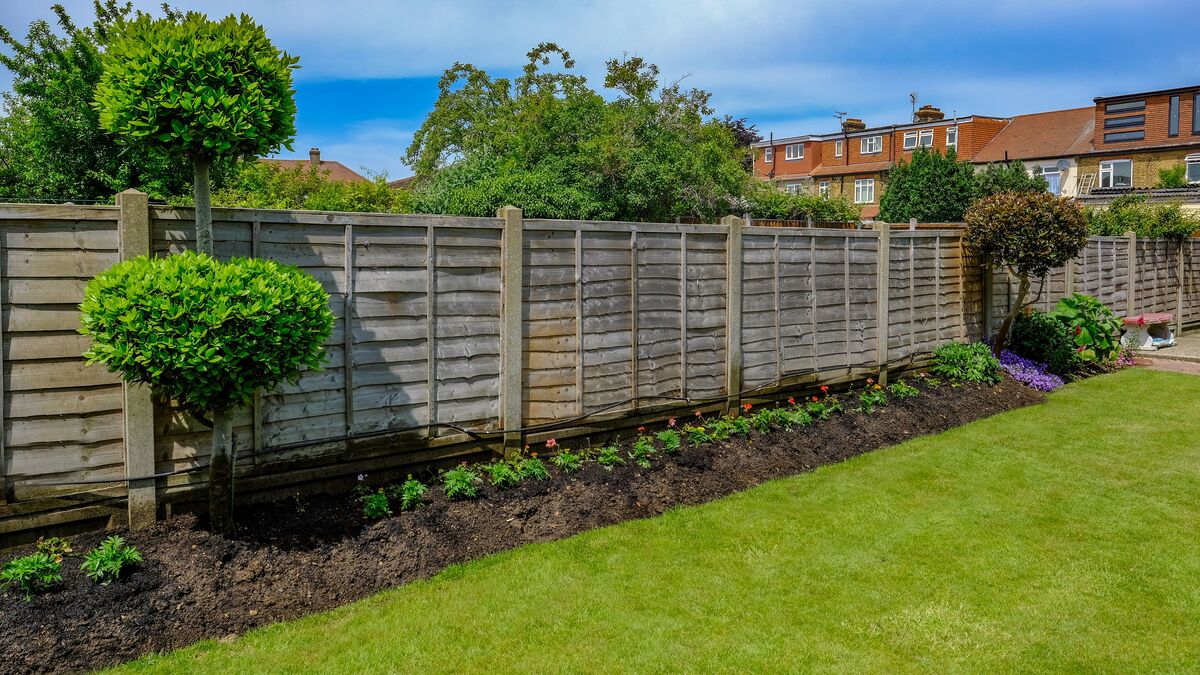
Cheap garden fencing often looks like a sensible choice at first glance. It goes up quickly, costs less upfront, and appears to do the job. I understand why many homeowners go down that route. I have been fitting fences across York and surrounding areas for decades, and I hear the same reasoning time and again. People search for fencing companies near me because they want a boundary in place without spending more than they feel they need to. Many start by browsing York Fencing to get a sense of their options, then ask why some fences cost more than others.
What most homeowners underestimate is not the price of the fence itself, but the cost of what comes next. Cheap fencing rarely fails straight away. It wears down quietly. It needs attention sooner. It leads to repairs, adjustments, and eventual replacement far earlier than expected. Over time, that initial saving often disappears.
Why cheap fencing feels like the right decision at the time
On paper, cheaper fencing makes sense. The panels are affordable. Installation seems straightforward. The fence looks tidy when it goes in. For many homeowners, especially those replacing a broken section quickly, cost feels like the priority.
I often meet people who say they only need the fence to last a few years. Life changes. Plans change. They do not want to over invest. That mindset is understandable. The problem is that cheap fencing rarely even meets those modest expectations once it is exposed to real conditions.
In York, the ground, weather, and seasonal movement place constant stress on fences. What looks fine in summer often struggles through the first wet winter.
How cheap panels show wear sooner than expected
One thing I see often on local jobs is lightweight panels that have twisted along the rails. Thin boards absorb moisture quickly. They swell, then dry unevenly. Over time, the panel loses its shape.
Waney lap panels are common in budget installations. They are quick to fit and widely available. In sheltered gardens, they can perform reasonably well. In exposed or damp locations, they struggle. The boards flex under wind pressure. Fixings loosen. Panels begin to rattle.
Homeowners searching for fencing near me often tell me their fence looked fine for the first year or two. Problems usually appear after repeated wet winters and dry summers. By then, the damage has already set in.
The hidden cost of shallow post installation
Cheap fencing often comes with shallow posts. Less digging saves time and money during installation. Unfortunately, it also shortens the life of the fence.
In York, clay soil dominates. Clay holds water through winter and softens significantly. Posts set too shallow lose stability as the ground becomes saturated. When spring arrives and the soil dries, it shrinks away from the post, leaving gaps.
I normally set posts at around 600mm to 750mm depth for garden fencing, sometimes deeper in wetter areas. Cheaper installations often fall well short of this. The result is a fence that begins to lean far sooner than expected.
This is one of the biggest hidden costs of cheap fencing. The problem sits underground until movement becomes visible.
Why cheap timber treatments fail earlier
Timber treatment makes a significant difference to fence lifespan. Pressure treated timber lasts longer because preservative penetrates deeper into the wood. Dipped timber has surface protection only.
Cheap fencing often uses dipped timber. It looks fine when new, but moisture penetrates quickly once the surface layer breaks down. In damp soil, rot starts at the base of posts and works upward.
I regularly remove posts that look solid above ground but crumble below. That decay started years earlier. Homeowners rarely see it until the fence begins to fail.
Replacing posts is far more expensive than treating timber properly at the start.
The repair cycle cheap fencing creates
One of the clearest signs of underestimating cost is repeated repair work. A fence goes up cheaply. A year or two later, a panel needs replacing. Then a post. Then another rail.
Each repair feels manageable on its own. Over time, the cumulative cost exceeds what a stronger installation would have cost originally.
Homeowners searching for fence repair near me often say they feel like they are constantly fixing the same fence. That is rarely bad luck. It is usually the result of materials and installation that were never built to last.
Why cheap fixings become expensive problems
Fixings are often overlooked. Cheap nails rust. Screws snap or pull through timber. Brackets bend under load.
In winter, moisture accelerates corrosion. In summer, timber movement loosens fixings further. Panels begin to move independently of the frame.
I have seen entire fence runs fail because fixings gave way long before the timber itself. These failures often happen suddenly, even though the warning signs were there.
Using the right fixings costs more upfront, but saves repeated call outs later.
How storms expose the weakness of budget fencing
Storms do not usually cause the damage people think they do. They expose damage that already exists.
A cheap fence may stand through calm weather, but once panels are saturated and posts loosened, wind pressure finishes the job. Panels lift. Posts lean further. Rails split.
Homeowners often say the storm caused the damage. In reality, the storm revealed the weakness of the installation.
This leads to emergency repairs, which are always more expensive than planned work.
Why cheap fencing struggles in York’s soil conditions
York’s soil is unforgiving. Clay soil shifts, holds water, and applies pressure to posts year round. Cheap fencing does not account for this.
Shallow posts, poor drainage, and untreated timber combine to shorten lifespan dramatically. What might last longer in free draining soil fails much sooner here.
Homeowners who underestimate this often replace fences every few years without understanding why.
Composite fencing and the cost comparison shift
Composite fencing has changed how people think about value. Composite fencing cost appears high at first, but its performance over time tells a different story.
Composite does not absorb moisture. It does not rot. It remains straight through seasonal changes. Once installed correctly, it requires little maintenance.
I have installed composite fences for homeowners who previously replaced timber fences repeatedly. They often say they wish they had chosen it earlier.
The comparison between cheap timber and composite is not about price alone. It is about how many times the fence needs attention over its lifespan.
Why maintenance cannot rescue poor materials
Some homeowners hope that regular maintenance will make cheap fencing last longer. Maintenance helps, but it has limits.
Treating timber slows decay but cannot reverse it. Tightening fixings helps but does not strengthen weak rails. Filling gaps around posts does not stop soil movement.
When the core materials are poor, maintenance becomes a holding action rather than a solution. Over time, the effort outweighs the benefit.
The knock on costs homeowners rarely factor in
Fence failure affects more than the fence itself. Leaning panels damage plants. Collapsed sections affect privacy. Pets escape. Children lose safe boundaries.
Emergency repairs disrupt schedules. Replacement work affects landscaping. These knock on costs add stress and expense that rarely get included in the original calculation.
Cheap fencing often creates inconvenience as well as financial cost.
Why replacement happens sooner than expected
Many homeowners replace cheap fencing far sooner than planned. What was meant to last five or ten years may struggle after three or four.
At that point, the decision becomes unavoidable. Repairing repeatedly no longer makes sense. Replacement feels like the only option.
Those facing this choice often find the fence repairs information helpful when deciding whether repair is still viable or whether replacement is the better path.
How stronger fencing avoids repeat costs
Stronger fencing installations address the problems cheap fencing creates. Deeper posts. Better drainage. Pressure treated timber. Concrete posts. Strong fixings.
These choices cost more initially but reduce long term expense. The fence stays straight. Repairs become rare. Maintenance is simpler.
Homeowners who choose these options often do not need to think about their fence again for many years.
Why planning for longevity saves money
Longevity matters more than upfront price. A fence that lasts twenty years costs less per year than one that needs replacing every five.
I often encourage homeowners to think in terms of lifespan rather than initial outlay. When they do, the value of stronger fencing becomes clear.
People searching for fencing contractors near me increasingly ask how long different options will last. That shift reflects experience.
How garden fencing choices influence overall costs
Fence design also affects cost over time. Slatted designs reduce wind pressure. Raised gravel boards protect timber from damp ground. Concrete posts eliminate rot.
These choices reduce the likelihood of early failure. They also improve appearance and performance.
For homeowners comparing options, the garden fencing information helps explain which designs and materials offer better long term value.
Why cheap fencing often costs more in the end
Cheap fencing feels affordable because the first payment is lower. Over time, the picture changes. Repairs add up. Replacements arrive sooner. Stress increases.
From decades working in gardens across York, I have seen this pattern repeat countless times. Homeowners rarely regret investing in stronger fencing. They often regret cutting corners.
Understanding the real cost of garden fencing
The true cost of a fence is not what you pay on installation day. It is what you pay over the years that follow. Cheap fencing hides its cost in repairs, maintenance, and early replacement.
Homeowners who understand this make different choices. They choose materials and installation methods that suit local soil and weather. They plan for longevity rather than quick fixes.
That understanding is why more people are stepping away from the cheapest option and choosing fencing that stands the test of time.
