

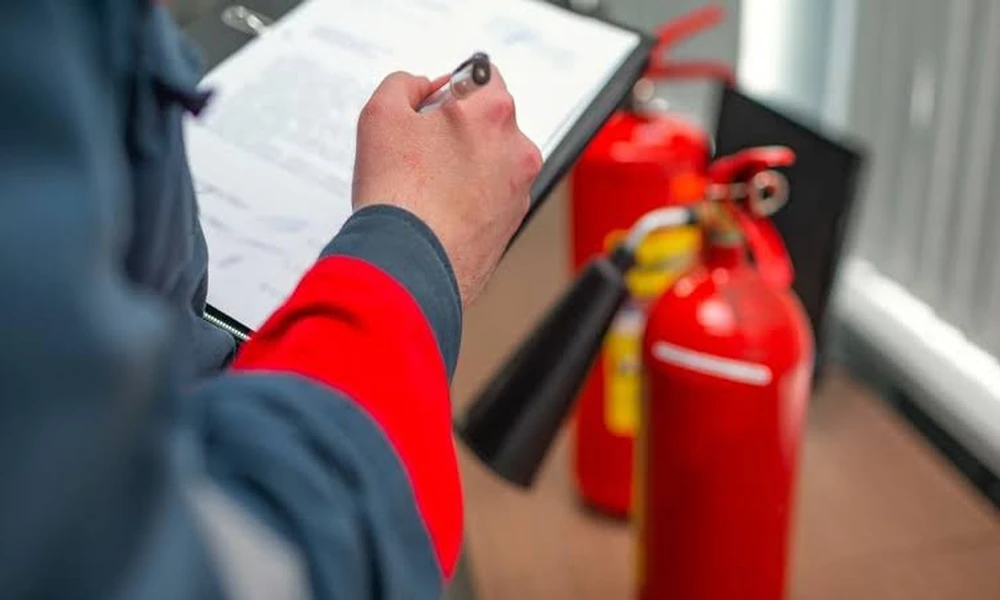
Emergency fire watch service plays a critical role in safeguarding people, property, and facilities. It is often used when the building fire system is not functioning properly, or in properties where the risk of fire accidents is higher. A fire watch service provider specially trains personnel to handle emergencies.
Property site access is an essential consideration during emergency fire watch. If fire watch teams do not have full access, it leads to poor inspection, poor response time, and increased risk of fire.
For an effective response, fire watch personnel need immediate and unrestricted access to the areas they are assigned to monitor. Reliable emergency fire watch San Jose coverage should begin with clear access arrangements, including authorized entry points, accessible emergency exits, unobstructed pathways, and entry to high-risk areas. Establishing these details before a watch begins allows personnel to conduct thorough inspections, move quickly when a hazard is identified, and coordinate more effectively with property management and emergency responders during an incident.
WHY IS SITE ACCESS CRUCIAL?
Site access refers to entering, moving through, or exiting any part of the property with the proper authorization. This allows the fire watch team to move from one place to another and handle emergencies effectively. Every property is different, so the fire watch team must understand the property layout before starting procedures. This helps the fire watch team complete its duties effectively.
IDENTIFICATION OF ALL ENTRY AND EXIT POINTS
The fire watch team determines all the entry and exit points of the property. This process allows them to create an evacuation plan that is used during an emergency.
The fire watch team must be aware of all entry and exit points to move quickly in unexpected situations.
MAINTAINING CLEAR ACCESS ROUTES
Clear access throughout the property during the fire watch period is crucial. This ensures no blocked pathways can create a serious issue. The property managers must be in charge of checking the following things;
1. All the hallways are clear.
2. Emergency exits are properly accessible.
3. Stairways do not have any obstructions.
Keeping the main routes accessible enables emergency responders to move effectively during an emergency.
ACCESS TO HIGH-RISK AREAS
Some areas of the property may have higher fire-related risks. Therefore, the fire watch team must continuously monitor those areas. These locations require special care during an emergency. Some high-risk areas are the kitchen, generator room, and construction area. All the fire watch personnel must have unrestricted access to these areas.
MANAGING ACCESS IN LARGE FACILITIES
Large facilities such as industrial facilities, hospitals, and schools present unique challenges for fire watch providers. They have to perform additional procedures to reduce fire-related risks. In these incidents, the fire watch personnel must be provided with the following;
1. Layout of the building.
2. Access credentials.
3. Detailed maps for routes.
4. Contact information of the key managerial personnel.
CONCLUSION
The success of a fire watch operation depends on site access. Without site access, it is difficult for fire watch personnel to perform their activities. Site access is essential for performing overall fire watch services. The fire team must have full property access. Careful consideration of site access is required to strengthen emergency management.
