

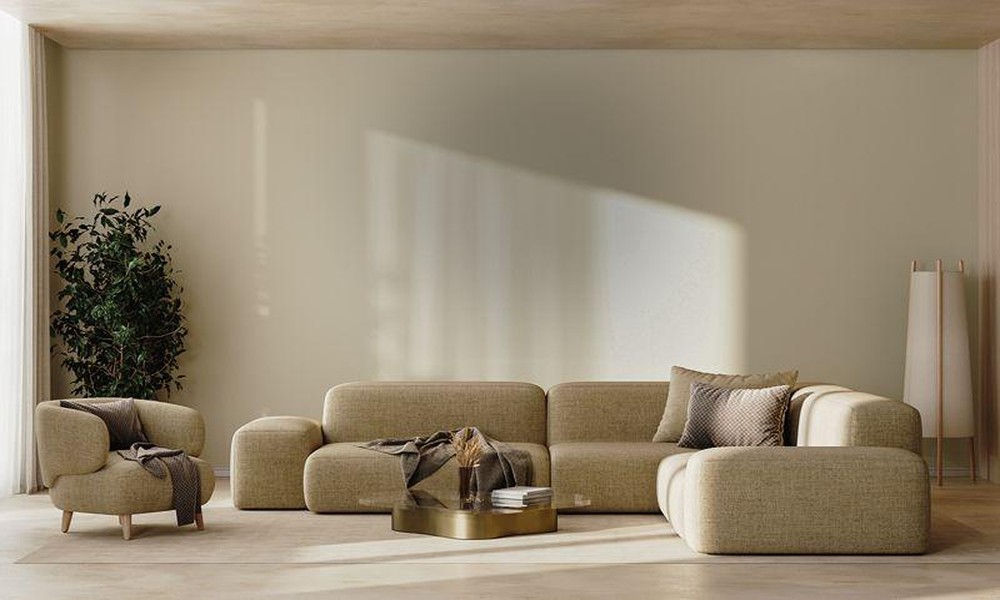
Key Takeaways
- Restrained colour palettes help interiors feel calm, balanced, and easier to live with over time.
- Controlled use of colour allows materials, textures, and finishes to remain visually clear.
- Accent colours work best when placed with care and given space to stand out.
- Colour restraint supports flexible spaces that adapt smoothly to changing daily needs.
Introduction
Colour choices influence how a space feels even before furniture placement or lighting decisions take shape, setting a mood that may calm the senses or create visual tension. Restrained palettes encourage the eye to settle, allowing materials, form, and light to stand out naturally, helping spaces feel comfortable and easy to live with.
Designing with restraint keeps personality intact while giving better control over how elements interact. Thoughtful colour control creates room for texture, proportion, and gentle contrast to add interest without competing for attention. For homeowners exploring residential interior design services, controlled palettes can provide flexibility while avoiding visual fatigue.
Understanding Colour Restraint in Luxury Spaces
Working with a smaller colour range supports clarity by giving each element a defined role within the space. Neutral bases combined with muted accents help establish visual order, allowing rooms to feel composed instead of busy. Soft tones encourage relaxation while finishes, detailing, and craftsmanship remain clearly visible rather than hidden behind colour.
Colour restraint also supports long-term use by reducing reliance on trend-driven palettes that may lose appeal as lifestyles shift. While bolder colours can feel engaging early on, restrained schemes tend to remain comfortable through changing needs and tastes. Many clients working with a luxury interior designer in Singapore favour this balance because it offers visual calm alongside elegance and practicality.
Letting Materials Carry the Mood
Materials gain stronger presence when colour plays a supporting role, a principle frequently applied within residential interior design services that focus on balance and material expression. Natural stone reveals veining more clearly, timber surfaces express warmth, and fabrics show depth through texture instead of contrast. Controlled palettes allow these qualities to work together, creating interiors that feel layered and considered instead of visually flat.
Mixing finishes tends to feel more cohesive when colour remains consistent across surfaces. Matte walls beside polished stone or brushed metal introduce variation through reflection and texture rather than hue, helping spaces maintain harmony from one room to the next.
Using Accent Colours With Intention
Accent colours still play a role within restrained schemes, although timing and placement matter greatly. Introducing a muted tone through a feature chair, artwork, or soft furnishing adds interest without taking over the surrounding space. Careful placement keeps accents noticeable while preventing them from overpowering the room.
Spacing between accent elements affects how effective they feel within the overall composition. Allowing accents room to breathe prevents visual clutter, while subtle repetition across different elements builds cohesion. Accent choices often reflect careful planning when working alongside a luxury interior designer in Singapore, with emphasis placed on balance, placement, and purpose instead of decoration alone.
Managing Light and Colour Together
Light affects how colour is perceived throughout the day, with tones shifting as conditions change. Natural light softens surfaces during daylight hours, while warmer artificial lighting deepens hues in the evening. Restrained palettes adapt more smoothly to these changes, helping spaces remain comfortable across different moods and uses.
Layered lighting works well with neutral colour schemes by supporting both atmosphere and function. Ambient lighting establishes a gentle base, task lighting supports daily activities, and accent lighting highlights form and texture. Residential interior design services prioritise this so colour remains consistent and welcoming from morning through evening.
Why Colour Restraint Supports Everyday Living
Daily routines tend to feel more manageable in surroundings that avoid visual overload. Muted palettes reduce visual stress, making kitchens feel orderly, bedrooms more restful, and living areas comfortable for both social gatherings and quieter moments. Calm colour environments support everyday living without demanding constant attention.
Furniture selection becomes easier when walls and finishes remain neutral, as pieces can change over time without clashing. Restrained backdrops allow flexibility for updates while avoiding commitment to a single visual direction. Colour restraint offers freedom to evolve without compromise.
For clients working with a luxury interior designer in Singapore, restrained colour schemes often support long-term satisfaction by remaining adaptable as needs shift. Spaces maintain a polished appearance while continuing to feel relevant and comfortable over the years.
Bringing Personality Into a Restrained Palette
Personality continues to emerge through carefully chosen details rather than strong colour statements. Artwork, curated objects, and textured finishes add character while keeping the overall palette calm. Patterns remain subtle, and contrast stays controlled, allowing personal touches to stand out clearly.
Personal stories integrate naturally into restrained spaces, where meaningful items draw attention without competition. Travel pieces, family heirlooms, and handmade objects become focal points when surroundings remain visually calm. Residential interior design services often apply this approach to reflect lifestyle without creating visual overload.
Conclusion
Colour restraint introduces breathing room within interiors by reducing visual pressure and helping spaces feel balanced. Thoughtful palettes support comfort, highlight materials, and adapt smoothly to daily routines. Rather than limiting expression, restraint provides clarity and balance suited to modern luxury interiors.
Looking to shape a space with lasting appeal and controlled elegance? Contact M2 Decor today to explore design ideas that balance colour, comfort, and everyday practicality.
