

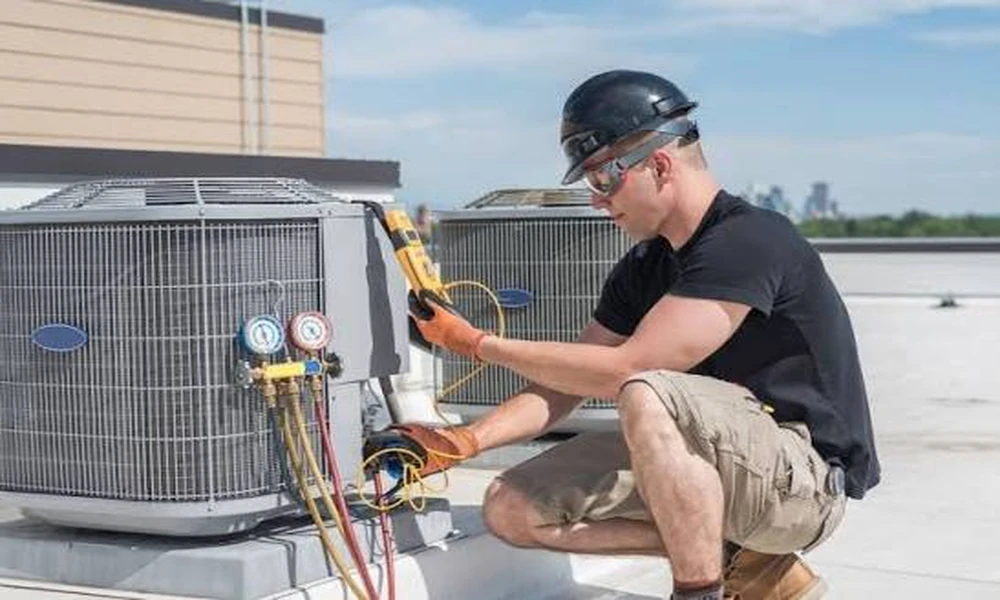
A well pump is responsible for delivering water throughout your home, so choosing its replacement requires careful planning. Well depth, household demand, water pressure, pump type, and installation quality all affect performance. Understanding these factors can help you avoid poor pressure, premature equipment failure, and unnecessary replacement expenses later.
Losing water pressure or finding that no water reaches your faucets can quickly disrupt your household. Although a failing pump may be responsible, buying the first replacement you find is rarely the right solution. Pump type, well depth, household demand, plumbing condition, and pressure requirements must all be considered. Properly selected well water pumps for rural homes provide dependable water flow without wasting energy or placing unnecessary strain on the system. Before purchasing new equipment, have the complete well system inspected. A professional assessment can confirm whether replacement is necessary and identify the pump size and design your property requires.
1. Confirm That the Pump Needs Replacement
Low pressure does not always mean the pump has failed. A damaged pressure tank, clogged pipe, faulty pressure switch, electrical problem, or declining well yield can create similar symptoms.
Arrange a complete inspection before approving replacement. Professional diagnostic testing can identify motor problems, pressure irregularities, leaks, electrical faults, and damaged components. Repair may be practical when the problem is limited. Replacement often makes more sense when the motor has failed, the unit is badly worn, or repair costs are approaching the price of new equipment.
2. Understand the Main Well Pump Types
Shallow-Well Jet Pumps
A single-drop jet pump is commonly used for wells less than 25 feet deep. It usually sits above ground and pulls water through a suction pipe. Accessibility can make maintenance easier, but the pump must be protected against freezing and moisture.
Deep-Well Jet Pumps
Double-drop jet pumps are designed for deeper wells and use two pipes. One pipe pushes water downward to create suction, while the other carries water toward the home. These systems may work at depths reaching approximately 200 feet, depending on system conditions.
Submersible Pumps
A submersible pump operates inside the well below the water level. It pushes water upward instead of pulling it. This design is often recommended for deeper wells and may operate at depths of up to approximately 400 feet when properly selected and installed.
3. Match the Pump to Your Household
Pump capacity should reflect both well conditions and household demand. An undersized unit may struggle when several fixtures operate together. An oversized pump can cycle too frequently, waste energy, and shorten equipment life.
Before selecting well water pumps for rural homes, consider:
- Well depth and water level
- Number of residents
- Bathrooms and water-using appliances
- Peak household water demand
- Required water pressure
- Pipe size and plumbing layout
- Pressure tank capacity
A licensed plumber can calculate the appropriate flow rate and pressure requirements. This approach is more reliable than selecting equipment based only on horsepower.
4. Evaluate the Pressure Tank
The well pump and pressure tank work together. The tank stores pressurized water, reduces pump cycling, and helps maintain steady flow at faucets and fixtures. Installing a new pump with a failing or incorrectly sized tank can undermine the entire replacement.
Ask the installer to check the tank’s air charge, capacity, bladder condition, fittings, and pressure settings. Replacing a damaged tank at the same time may protect the new pump from unnecessary cycling and premature wear.
5. Look Beyond the Purchase Price
The lowest-priced pump may not provide the best long-term value. Compare equipment quality, energy use, expected durability, warranty coverage, installation requirements, and future maintenance needs.
Request a written estimate explaining:
- The recommended pump type and size
- Labor and equipment costs
- Pressure tank or control replacements
- Electrical and plumbing modifications
- Testing and warranty coverage
Transparent pricing makes it easier to compare proposals and avoid unexpected charges after work begins.
6. Make Professional Installation a Priority
Well pump installation involves water, electricity, pressure controls, and underground components. Incorrect wiring or poor pressure settings can damage equipment and create safety risks. Improper sizing may also cause weak pressure, short cycling, and unreliable performance.
A qualified plumber can remove the old equipment, inspect related components, install the replacement, adjust pressure controls, and test the completed system. The work should meet applicable plumbing and electrical codes.
7. Ask What Happens After Installation
Do not consider the project complete until the system has been thoroughly tested. Water pressure should remain consistent, the pump should cycle correctly, and connections should be checked for leaks.
Ask the installer to explain normal operating sounds, pressure settings, maintenance recommendations, warranty terms, and warning signs. Keep the model number, installation records, warranty documents, and service information in an accessible place.
FAQs
1. Can a stronger pump solve low water pressure?
Not necessarily. Low pressure may result from clogged plumbing, a failing pressure tank, incorrect settings, or limited well output. Installing a stronger pump without identifying the cause can damage the system.
2. Why does my pump turn on and off repeatedly?
Rapid cycling may indicate a damaged pressure tank, incorrect air charge, leaking plumbing, or faulty controls. It should be inspected promptly because frequent starts can wear out the motor.
3. Should the pressure tank be replaced with the pump?
Only if inspection reveals damage, poor sizing, or declining performance. A healthy, correctly sized tank may continue working with the new pump.
4. What information should I give the installer?
Provide the well depth, previous pump details, household size, recent pressure problems, water-use patterns, and any available well records.
5. How can I extend the new pump’s service life?
Schedule periodic inspections, address pressure changes quickly, protect electrical components, repair leaks, and avoid placing excessive demand on a low-yield well.
Final Conclusion
Replacing a well pump is an important investment in your home’s water supply. The right decision begins with an accurate diagnosis because low pressure or interrupted flow may come from another system component. If replacement is necessary, base your choice on well depth, water level, household demand, required pressure, and pressure tank capacity-not price or horsepower alone.
Compare written estimates, warranty coverage, equipment quality, installation details, and long-term maintenance needs. Professional sizing and installation can prevent short cycling, inconsistent pressure, energy waste, and early equipment failure. After installation, confirm that the system has been tested and ask how to recognize developing problems. Properly selected and maintained well water pumps for rural homes can provide reliable performance for years while protecting the plumbing system and keeping water available whenever your household needs it.
