

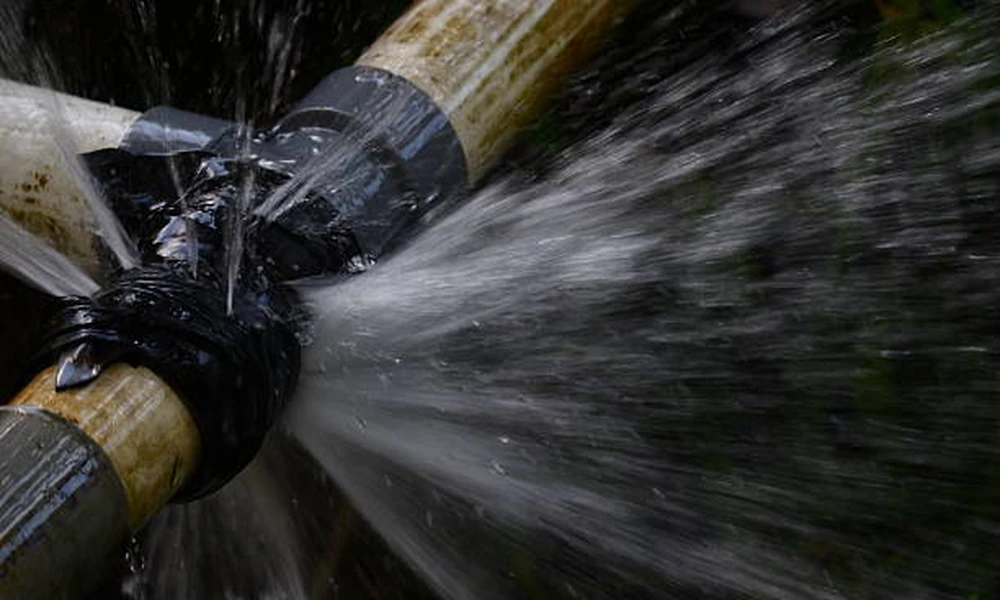
Weather is one of the most powerful external forces acting on a plumbing system. As conditions shift from warm to cold or from dry to humid, pipes, drains, and fittings are constantly adapting to environmental stress. These changes may seem gradual, but over time they can weaken materials, disrupt water flow, and increase the risk of leaks or blockages. Understanding how weather influences plumbing helps homeowners recognize early warning signs and reduce the likelihood of costly damage.
Seasonal Temperature Changes and Pipe Stress
Cold Weather Effects
When temperatures drop, plumbing systems face increased strain as materials contract and water inside pipes reacts to the cold environment. Pipes located in exposed or poorly insulated areas are especially vulnerable. As water inside begins to solidify, it expands and places pressure on pipe walls. This pressure can lead to cracks, joint separation, or sudden bursts once flow resumes. Even without visible damage, repeated exposure to cold conditions can weaken pipe integrity over time, making future issues more likely.
Hot Weather Effects
Warm conditions create their own challenges for plumbing systems. Heat causes pipes, especially metal ones, to expand slightly, which can loosen connections and stress seals. Higher temperatures can also increase demand for water use, placing additional pressure on supply lines and fixtures. In some cases, prolonged heat can accelerate wear on older plumbing materials, leading to slow leaks or reduced efficiency in water delivery systems.
Moisture and Heavy Rain Impact
Drainage System Strain
Periods of heavy rainfall place significant pressure on drainage systems. Excess water entering the ground can overwhelm pipes, leading to slow drainage or backups inside the home. Outdoor drains and gutters may struggle to channel water effectively, increasing the risk of overflow that affects interior plumbing performance.
Soil Movement Around Pipes
Soil naturally expands and contracts with changes in moisture levels. When the ground becomes saturated, it can shift and place pressure on underground pipes. This movement may misalign connections or create small fractures that develop into leaks over time. In drier conditions, soil contraction can leave pipes unsupported, increasing vulnerability to cracking under pressure.
Preventive Maintenance Tips
Insulation and Protection
Protecting exposed pipes is one of the most effective ways to reduce weather-related damage. Proper insulation helps maintain stable pipe conditions despite external temperature changes. Covering outdoor fixtures and sealing gaps where cold air or moisture can enter also strengthens overall system resilience.
Regular Inspection Habits
Routine checks of visible plumbing components help identify early signs of stress. Looking for damp spots, unusual sounds, or changes in water flow allows issues to be addressed before they escalate. Consistent attention to maintenance ensures the system remains reliable across all weather conditions.
Weather changes are unavoidable, but plumbing damage does not have to be. With awareness and preventive care, homeowners can keep their systems stable and functioning efficiently throughout the year.
This post was written by a professional at Drain Help. DrainHelp is a locally owned and operated plumbing and drain service serving all of San Diego County, available 24 hours a day, seven days a week. Our team of licensed plumbers provides comprehensive services including drain cleaning, sewer line repair, hydro-jetting, video inspections, garbage disposal installations, toilet services, complete re-piping, and gas line maintenance for both residential and commercial clients. We pride ourselves on delivering quick, friendly service with free estimates and zero extra fees for emergency or after-hours calls. Call today for trustworthy emergency plumbing in La Mesa.
