

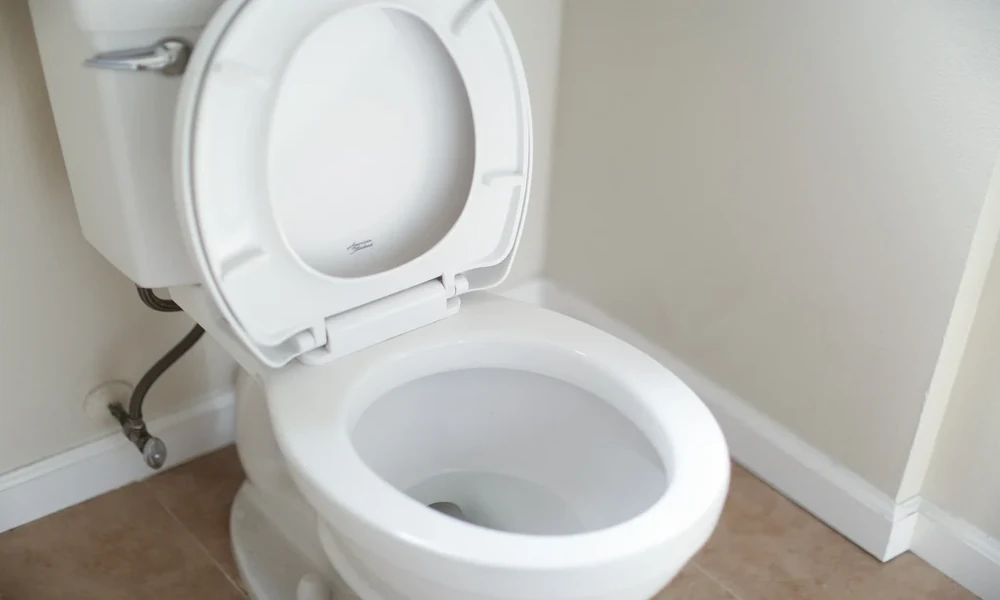
A properly functioning toilet is something most homeowners rarely think about until a problem develops. Because toilets are used multiple times every day, even a relatively small malfunction can quickly become inconvenient. Some issues can be corrected with basic household maintenance, but recurring leaks, weak flushing, unusual noises, and frequent clogs may indicate a problem that requires professional attention.
Recognizing warning signs early can help Houston homeowners avoid water waste, bathroom damage, and unexpected plumbing emergencies. Instead of repeatedly applying temporary fixes, identifying the underlying cause can lead to a more reliable solution.
The Toilet Keeps Running
A toilet that continues running long after it has been flushed is one of the most noticeable signs of trouble. The problem may be related to the flapper, fill valve, float, or another component inside the tank. When these parts fail to operate correctly, water may continuously move from the tank into the bowl.
Occasional adjustments may solve a minor issue, but persistent running deserves closer attention. Professional toilet repair Houston services can help identify whether an internal component needs adjustment or replacement. Addressing the issue can also prevent unnecessary water consumption.
Frequent Clogs Become Normal
An occasional clog does not necessarily indicate a serious plumbing problem. Toilets can become blocked because of excessive toilet paper or materials that should not have been flushed. However, frequent clogs are different.
If a toilet needs plunging several times a week, there may be a deeper obstruction in the drain line. Older toilets with weaker flushing mechanisms can also struggle to clear waste effectively. A plumber can determine whether the problem is inside the toilet itself or farther along the drainage system.
Water Appears Around The Toilet Base
Water collecting around the bottom of a toilet should not be ignored. It can indicate a deteriorated seal, a loose connection, condensation, or damage to the fixture. Even a relatively small leak can allow moisture to reach flooring and surrounding materials.
Repeated exposure to water may eventually cause staining, unpleasant odors, or deterioration beneath the toilet. If the floor feels soft or unstable near the fixture, professional inspection becomes particularly important. Finding the source quickly can reduce the possibility of more extensive bathroom repairs.
The Toilet Flushes Weakly
A healthy toilet should produce enough force to remove waste efficiently. When flushing becomes noticeably weaker, homeowners may find themselves flushing multiple times.
Several issues can contribute to poor flushing performance. Mineral buildup may restrict water movement, internal tank components may not be operating properly, or a partial blockage could interfere with drainage. Older toilet designs may also lose efficiency as components wear.
A professional plumber can inspect both the fixture and its connections to determine why flushing performance has changed.
Strange Sounds Come From The Toilet
Gurgling, bubbling, whistling, or other unusual sounds can provide valuable clues about plumbing problems. A whistling sound may originate from a worn fill valve, while bubbling can sometimes indicate restricted airflow or drainage problems.
Gurgling becomes particularly important when it occurs while another fixture is being used. For example, if the toilet bubbles when a nearby sink or shower drains, the issue may extend beyond the toilet itself. Such symptoms deserve professional investigation rather than repeated DIY adjustments.
The Toilet Rocks Or Moves
A toilet should remain firmly secured to the bathroom floor. If it rocks when someone sits down or moves when touched, something is wrong.
Loose mounting bolts may be responsible, but movement can also indicate problems with the seal or flooring beneath the fixture. Simply tightening bolts without understanding the cause may not provide a lasting solution. Excessive tightening can even damage certain toilet components.
Professional evaluation can determine whether the fixture only needs to be secured or whether hidden moisture damage is contributing to the instability.
The Tank Takes Too Long To Refill
After flushing, the tank should refill within a reasonable amount of time. A toilet that fills unusually slowly may have a problem with its water supply, fill valve, or internal components.
Homeowners sometimes become accustomed to gradual changes and fail to recognize slow refilling as a repair issue. However, declining performance can indicate that a component is becoming restricted or worn. Resolving the problem early may prevent complete component failure later.
Cracks Become Visible
Cracks in the toilet tank or bowl require careful attention. Very small surface marks may appear harmless, but cracks can expand over time and eventually allow water to escape.
Because toilets hold and move significant amounts of water, structural damage should be evaluated promptly. Depending on the location and severity of the crack, replacing the fixture may be safer and more practical than attempting a repair.
Persistent Problems Should Not Be Ignored
Toilet problems rarely become more convenient with time. A minor leak can increase water waste, a partial blockage can become a complete clog, and a loose fixture can contribute to damage around its base.
Houston homeowners should pay attention to changes in flushing performance, unusual sounds, recurring clogs, leaks, movement, and slow refilling. Professional diagnosis can distinguish a simple component failure from a larger drainage or plumbing problem. Taking action when warning signs first appear can help keep the bathroom functional while reducing the risk of more disruptive repairs later.
