

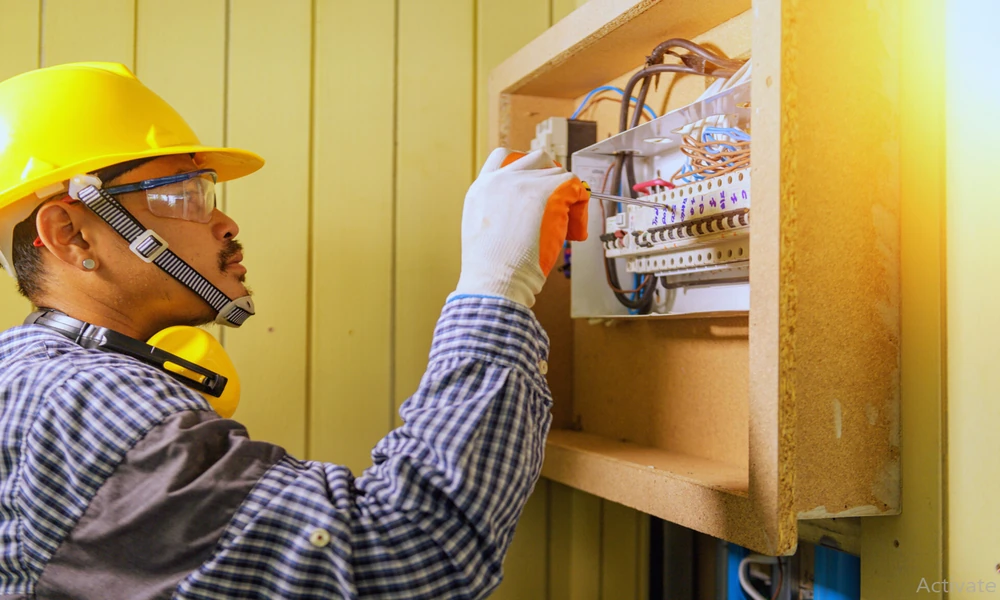
Electricity powers nearly everything in a modern home, yet most people know very little about the systems behind their walls. Understanding the main types of residential electrical work, what each one involves, and when it is needed helps you make informed decisions, budget realistically, and avoid safety risks. Whether you are dealing with an older house, planning a renovation, or adding new equipment, knowing when to bring in professional electrical services in Glendale can protect both your property and your family.
This guide covers the core categories of residential electrical work and the key facts behind each.
Electrical Panel Upgrades and Service Capacity
The panel distributes power from the utility to every circuit in your home. Older panels may have limited capacity, outdated components, or too few slots for modern demand.
An upgrade is commonly considered when:
- The home still has an original panel that is several decades old
- Breakers trip frequently
- There is no room for additional circuits
- You are adding high-demand equipment such as an EV charger, hot tub, or electric range
- You are planning a major addition or remodel
Service capacity is measured in amps. Many older homes were built with lower capacity than today’s households typically need, so a load assessment helps determine whether an upgrade is necessary.
Wiring Repair and Replacement
Wiring is the hidden infrastructure of the home. Its condition depends on age, materials, and past modifications.
Common wiring concerns include:
- Outdated wiring types, such as older cloth-insulated or aluminum branch wiring in some homes, which may require specialized evaluation
- Damaged or deteriorated insulation, often from age, heat, or pests
- Loose or corroded connections, which can cause overheating
- Unpermitted or amateur modifications, which may not meet code
Rewiring can be a major project, but partial repairs and targeted upgrades are often possible depending on the findings of an inspection.
Outlets, Switches, and Circuit Additions
Adding outlets and dedicated circuits is one of the most common requests. Modern homes use far more devices than older layouts anticipated.
Typical projects include:
- Adding outlets in kitchens, offices, and living areas
- Installing dedicated circuits for appliances such as microwaves, dishwashers, and window air conditioners
- Replacing worn or loose outlets and switches
- Installing USB-integrated outlets
- Adding outdoor outlets for lighting, tools, and holiday displays
Dedicated circuits matter because high-draw appliances sharing a circuit can cause repeated breaker trips and overheating.
Lighting Installation and Upgrades
Lighting work ranges from simple fixture swaps to full design plans.
- Recessed lighting for kitchens, living rooms, and basements
- Under-cabinet and task lighting for work areas
- Outdoor and landscape lighting for security and appearance
- Dimmers and smart controls for flexibility and energy savings
- LED upgrades, which typically use considerably less energy than traditional bulbs
Proper placement, correct wattage ratings, and appropriate fixtures for damp or covered locations all affect safety and performance.
Safety Devices: GFCI, AFCI, Surge Protection, and Detectors
Protective devices are a major part of modern electrical standards.
- GFCI (ground fault circuit interrupter) outlets and breakers reduce shock risk in kitchens, bathrooms, garages, laundry areas, and outdoors.
- AFCI (arc fault circuit interrupter) protection helps detect dangerous arcing that can cause fires.
- Surge protection guards electronics and appliances against voltage spikes. Whole-home surge protectors are installed at the panel, while plug-in strips protect individual devices.
- Smoke and carbon monoxide detectors should be installed per local code and tested regularly.
The Electrical Safety Foundation International provides detailed, accessible information on these protections in its electrical safety resources for homeowners, including guidance on testing and maintaining them.
EV Charger and High-Demand Equipment Installation
Electric vehicle chargers, heat pumps, tankless water heaters, and similar equipment draw significant power. Installing them typically involves:
- Evaluating whether the existing service can support the added load
- Running a dedicated circuit with correctly sized wiring and breaker
- Selecting appropriate outlet or hardwired equipment types
- Obtaining permits and inspections where required
Skipping the capacity check is a common mistake and can lead to overloaded panels or tripped main breakers.
Ceiling Fans, Generators, and Specialty Work
Other common residential services include:
- Ceiling fan installation, which requires properly rated boxes that support the weight and vibration
- Standby generators and transfer switches, which isolate the home from the utility grid safely during outages
- Hot tub and pool wiring, which has strict grounding and protection requirements
- Detached garage, workshop, and shed power, which involves running feeders and sub-panels
- Home theater and data wiring, for networking and media needs
Generators and transfer switches in particular should only be installed by qualified professionals, since improper connections can send power back into utility lines.
Permits, Inspections, and Code Compliance
Many electrical projects require permits, and inspections confirm the work meets local code. Requirements vary by city and county, so confirm what applies before starting.
Permitted, inspected work matters because it:
- Verifies safe installation
- Helps with insurance claims and coverage
- Supports resale value and smoother home sales
- Reduces the risk of hidden defects
A licensed electrician typically handles permits as part of the job, but it is reasonable to ask who is responsible.
Signs You Need an Electrician
Burning odors, smoke, or sparks are emergencies. Leave the area and call emergency services.
How to Choose a Qualified Electrician
- Confirm the electrician holds the proper license for your area
- Ask about liability insurance and workers’ compensation coverage
- Request a written estimate that describes the scope, materials, and timeline
- Ask whether permits and inspections are included
- Compare multiple quotes by scope, not just price
- Ask about warranties on parts and labor
Questions to Ask Before Work Begins
- What is the full scope of work, and what is excluded?
- Will the project require a permit and inspection?
- What materials and brands will be used?
- How long will the work take, and will power be shut off?
- What happens if hidden problems are discovered?
Final Thoughts
Residential electrical work covers far more than fixing a dead outlet. It includes panel capacity, wiring condition, lighting, safety devices, and the infrastructure for modern equipment. Knowing the categories helps you spot what your home needs, plan upgrades in a sensible order, and hire with confidence. Always leave panel and wiring work to licensed professionals, and treat any burning smell, sparking, or persistent breaker tripping as a reason to call promptly
