

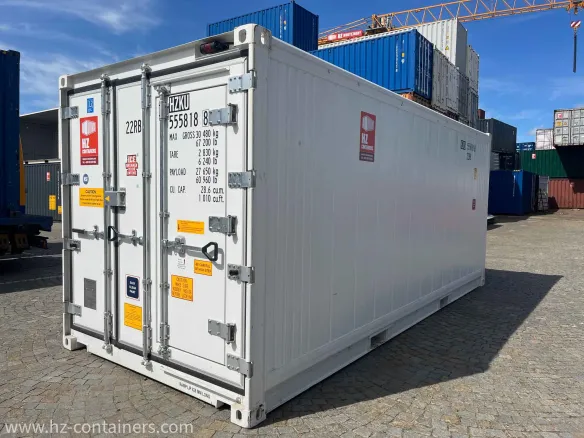
Refrigerated containers play an essential role in food, pharmaceutical, and cold-chain logistics. They offer protection from sensitive goods, but at the same time offer a one-off challenge in handling. Incorrect ramp use: This is one of the most overlooked risks. Inappropriate or misaligned ramps can result in broken cargo, carrying equipment malfunction, and even severe accidents in the workplace.
Being aware of frequent mistakes allows operators to sidestep this system downtime and security hazards.
Using Regular Ramps over Industrial Type
One of the most heinous and far-reaching mistakes is believing that any old ramp will suffice. Reefer containers are heavier than standard ones because of insulation, cooling units, and stronger walls.
Many are not specifically designed for a standard shipping container ramp:
- Heavier axle loads from forklifts
- Constant back-and-forth movement
- Cold-room traffic conditions
You are more likely to bend, crack, or suddenly fail your ramp when using one not designed for refrigerated containers.
Loading the Ramp Beyond its Limits
Every ramp has a load rating. Treating it as a minor nuisance could be deadly.
Overloading often happens when:
- Forklifts are more carrying heavier pallets than you think
- Combined weight of vehicles and loads is underestimated by operators
- More than one load being staged on the ramp at any one time
Refrigeration container ramp dynamic and static loading capacity. Overloading can lead to structural failure or collapse unannounced.
Downplay Anti-Slip Floors in the Wet
Refrigerated containers create moisture. There is a potential for condensation, spills, and frost, particularly during loading and unloading.
Mistakes here include:
- Using ramps without anti-slip coatings
- Letting grease or ice accumulate
- Not cleaning the ramp surfaces in a routine
Traction may get lost with forklifts if improper. That results in wheel spin, sliding or tipping − on steel in particular.
Improper Anchoring and Ramp Movement
Ramps have to stay put too. Some ramp/container combos can easily see misalignment if the ramp gets even slightly moved.
Common anchoring mistakes:
- Ramps just thrown down with no tie down points
- Incorrect dock height matching
- Uneven ground beneath the ramp
Moving shipping container ramp bears down on container thresholds and cause damage to forklifts, or pallets. But it puts operators at real risk even worse.
Ramp Angle Inversion Stressing the Forklift
Ramp angle is more important than many operators believe. If the angle is too great, forklifts cannot gain traction, steer, or remain stable.
Issues of insufficient angle choice include:
- Forklifts bottoming out
- Loads shifting backward
- Reduced braking control
An ideal refrigeration container ramp isn’t too steep, neither too shallow, so that smooth entry and exit can be achieved while eliminating pressure on equipment.
Not Mating the Ramp to the Application
Ramps aren’t made for the same jobs. Implementing a ramp that was built for intermittent utilization within a high-volume cold-chain facility is setting yourself up for failure.
Mistakes include:
- Choosing ramps without edge protection
- Eliminated temporary ramps to create permanent ops.
- Not considering size and type of tyres in fork lift
With suppliers like DHE Materials Handling Equipment, you can rest assured that your ramp will be suited to your level of operations.
Overlooking Regular Inspections and Maintenance
Even high-quality ramps need checks. Eventually, cracks develop, surfaces break down or fasteners loosen.
Good practice includes:
- Scheduled visual inspections
- Cleaning anti-slip surfaces
- Checking load ratings remain appropriate
Falling behind on maintenance causes small issues to evolve into major safety concerns.
Choosing More Wisely to Reduce Ramp Incidents
Container ramps are essential for refrigerated logistics. Ramp failure is responsible for a small number of accidents, but a proper ramp used improperly is the biggest cause of accidents.
With the right shipping container ramp, staying within load limits, using anti-slip protection, and achieving proper angles and anchoring, operators will save their workforce, their equipment, and their products.
In terms of cold-chain safety, this aspect cannot be optional, and that difference can quite literally be life or death.
