

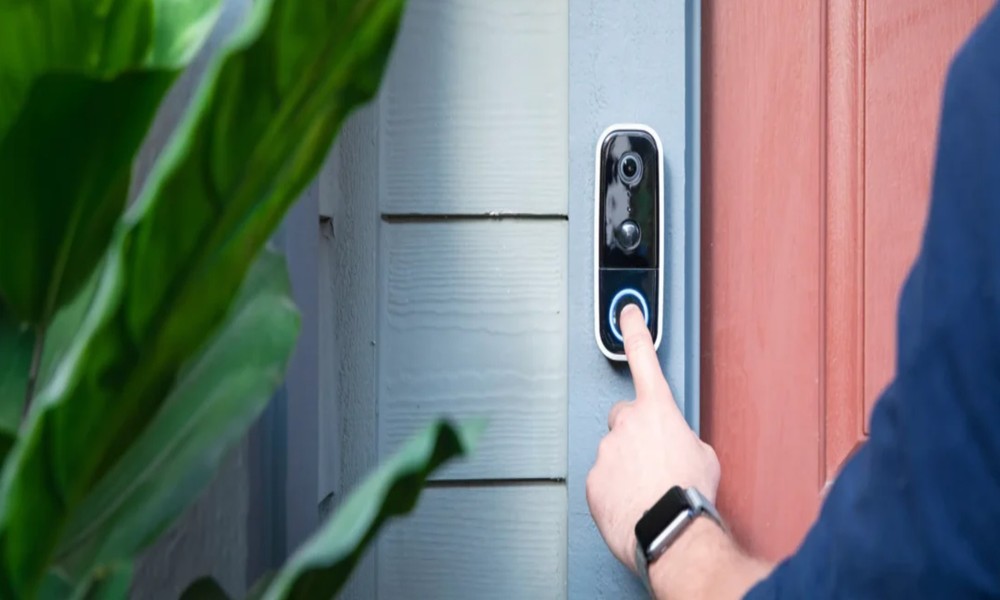
If you’re thinking about upgrading your home’s entryway, a smart doorbell installation is one of the most practical and impactful improvements you can make. Between package deliveries, home security, and just plain convenience, these devices have become a staple in modern homes across Austin, Texas.
But one question comes up again and again:
Should you go with a hardwired smart doorbell or a battery-powered model?
The answer isn’t always obvious-especially in a climate like Austin’s, where extreme heat, sun exposure, and occasional storms can influence performance. In this guide, we’ll break down the real-world differences between the two options, including reliability, maintenance, video quality, and how they hold up in Central Texas conditions. We’ll also talk about whether this is a realistic DIY project or something better left to licensed electricians.
Understanding the Two Types of Smart Doorbells
Before diving into comparisons, it’s important to understand what separates these two categories.
Hardwired smart doorbells connect directly to your home’s existing low-voltage doorbell wiring. They draw constant power from a transformer, which means they’re always on and typically more stable.
Battery-powered smart doorbells, on the other hand, rely on rechargeable batteries. They’re often easier to install upfront since they don’t require wiring, but they come with ongoing maintenance.
Both types support features like video streaming, motion alerts, and two-way communication-but how they perform over time can differ quite a bit.
Reliability: Which Option Holds Up Better?
Reliability is one of the biggest deciding factors for homeowners.
A properly done smart doorbell installation using a hardwired system tends to be more dependable. Because the unit receives continuous power, it doesn’t need to “sleep” to conserve energy. That means faster notifications, more consistent video recording, and fewer missed events.
Battery-powered models can be reliable-but only when fully charged and properly maintained. As the battery drains, performance can dip. Some models reduce video quality or delay motion alerts to preserve power.
In Austin, Texas, where summer temperatures regularly exceed 100°F, battery reliability can become even more of a concern. Heat accelerates battery degradation, meaning you may find yourself recharging more often than expected.
Bottom line: Hardwired systems generally offer better long-term reliability, especially in hot climates.
Maintenance: Set It and Forget It vs. Ongoing Upkeep
Maintenance is where the difference becomes very noticeable.
With a hardwired setup, once your smart doorbell installation is complete, there’s very little ongoing work required. No batteries to swap, no charging schedules to remember-just occasional app updates and basic cleaning.
Battery-powered doorbells require regular attention. Depending on usage and weather conditions, you may need to recharge the battery every few weeks or months. In Austin’s heat, that timeline can shrink.
And here’s something many homeowners don’t think about:
If your doorbell is mounted in a high or awkward location, repeatedly removing it for charging can become frustrating.
Bottom line: If you want a low-maintenance solution, hardwired is the clear winner.
Video Quality and Performance
Video quality isn’t just about resolution-it’s also about consistency.
Hardwired systems typically deliver better performance because they have a steady power supply. This allows for:
- Continuous recording (in some models)
- Faster live video access
- More reliable motion detection
- Better nighttime performance
Battery-powered doorbells often use “event-based” recording to conserve energy. That means they only activate when motion is detected, which can sometimes result in missed moments or delayed recordings.
In a busy Austin neighborhood-where foot traffic, deliveries, and vehicles are constant-those delays can matter.
Bottom line: For sharper, more consistent video performance, hardwired systems tend to outperform battery-powered options.
How Austin’s Climate Affects Your Choice
Austin’s environment plays a bigger role than many homeowners realize.
Heat Exposure
Battery-powered units are more vulnerable to extreme heat. High temperatures can reduce battery life, cause shutdowns, or even lead to long-term damage.
Hardwired doorbells handle heat better overall, though they still need proper installation to avoid issues like overheating or voltage irregularities.
Sunlight and UV Exposure
Direct sunlight can affect both types, but battery-powered units may struggle more if internal temperatures rise too high.
Storms and Power Stability
Austin’s occasional storms and power fluctuations can impact performance. A hardwired system installed with the correct transformer and surge protection will usually recover more reliably.
Bottom line: In Central Texas, hardwired systems generally offer better resilience against environmental stress.
Installation: DIY or Call a Professional?
This is where things get real.
Can a Handy Homeowner Do It?
Yes-some homeowners can handle a basic smart doorbell installation, especially if:
- There’s already an existing doorbell
- The wiring is in good condition
- The transformer meets the required voltage
- You’re comfortable working with low-voltage systems
For battery-powered units, installation is usually straightforward: mount the device, connect it to Wi-Fi, and you’re done.
But even then, small mistakes-like poor placement or weak Wi-Fi coverage-can impact performance.
When DIY Gets Risky
Hardwired installations can get more complicated quickly.
Common issues include:
- Incompatible or undersized transformers
- Old or damaged wiring
- Incorrect voltage (leading to device failure)
- Improper mounting or weatherproofing
- Integration with chimes or smart home systems
In Texas, electrical work-even low-voltage-can still fall under regulations depending on the scope. If you’re modifying wiring or installing new components, it’s often smarter (and safer) to bring in a licensed electrician.
Why Professional Installation Often Makes Sense
Hiring a professional for your smart doorbell installation isn’t just about convenience-it’s about doing it right the first time.
An experienced electrician in Austin will:
- Verify your transformer is compatible
- Upgrade wiring if necessary
- Ensure proper voltage and load handling
- Optimize placement for camera angle and Wi-Fi strength
- Secure and weatherproof the installation
- Integrate the system with your home’s electrical setup
In a city like Austin, Texas, where homes range from older properties to modern builds, these details matter. A quick DIY job might work initially-but long-term reliability often depends on proper setup.
Cost Considerations
It’s easy to assume battery-powered options are cheaper-and upfront, they usually are.
But over time, costs can add up:
- Replacement batteries or charging inconvenience
- Reduced lifespan due to heat
- Potential need for upgrades or replacements
A hardwired system may cost more initially-especially if electrical work is required-but it often delivers better value over the long run.
Which Option Is Right for You?
Here’s a simple way to think about it:
Choose hardwired if you want:
- Maximum reliability
- Minimal maintenance
- Better performance in heat
- Consistent video quality
Choose battery-powered if you want:
- Quick and easy installation
- No need to deal with wiring
- Flexibility in placement
For most Austin, Texas homeowners, hardwired systems tend to be the better long-term investment-especially when paired with professional installation.
Final Thoughts
A smart doorbell installation is more than just a tech upgrade-it’s a practical improvement to your home’s security and convenience. But the type of system you choose will directly impact how well it performs over time.
In Austin’s hot climate, reliability and durability should be top priorities. While battery-powered options can work well in certain situations, hardwired systems consistently deliver stronger performance, lower maintenance, and better long-term value.
And while a handy homeowner might be able to handle a simple setup, there’s a strong case for working with a licensed electrician-especially if you want everything done safely, correctly, and built to last.
If you’re investing in your home, it makes sense to do it right the first time.
