

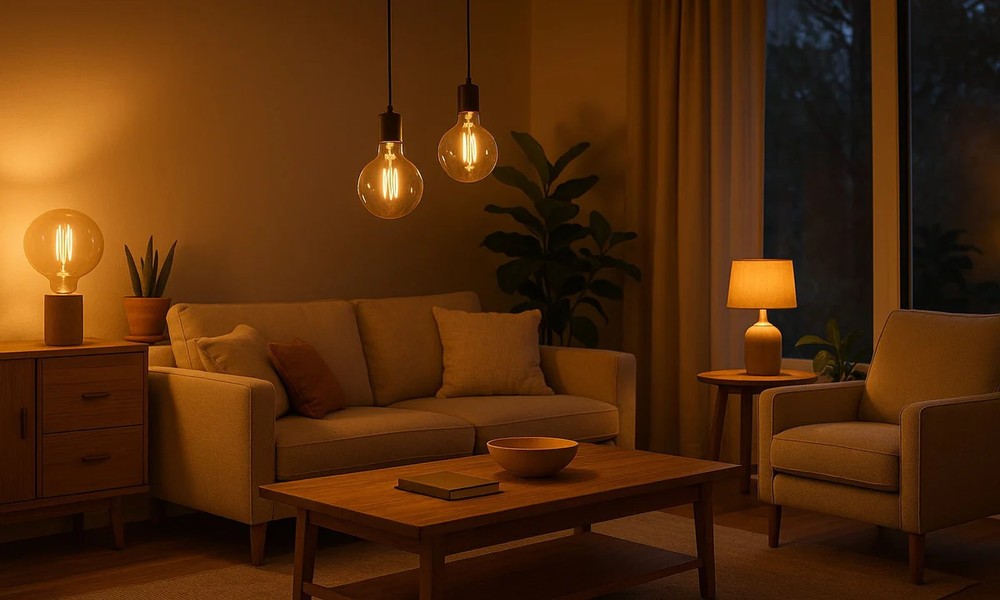
LED lighting has become a staple in modern homes, yet many people still hesitate to fully embrace it due to outdated assumptions and common misconceptions. From concerns about brightness to doubts about cost and quality, these myths often prevent homeowners from making informed decisions about their room lighting. The truth is, LED lighting has evolved significantly, offering better efficiency, flexibility, and performance than ever before. It’s time to separate fact from fiction and rethink how indoor light can truly enhance your space.
Why Do LED Lighting Misconceptions Still Exist
Many myths around LED lighting stem from early versions of the technology or simple misunderstandings about how it works. As innovations continue to improve efficiency and design, these outdated beliefs no longer hold true. Understanding the reality behind these myths can help you make smarter choices for your room lighting and overall indoor light experience. Let’s debunk the myths below.
Myth 1: LED Lighting Is Too Expensive
A common belief is that LED lighting costs significantly more than traditional options. While the upfront cost may be slightly higher, the long-term savings tell a different story. LED lighting consumes far less energy and lasts much longer than conventional bulbs, reducing both electricity bills and replacement costs.
Over time, this makes LED lighting one of the most cost-effective choices for indoor light, especially in spaces where lights are used frequently.
Myth 2: LEDs Are Too Bright and Harsh
Many people assume that LED lighting creates an overly bright or harsh environment. This misconception often comes from early versions of LEDs that lacked warmth and flexibility.
Modern LED lighting offers a wide range of colour temperatures, from warm and cosy tones to bright daylight options. This allows you to customise your room lighting based on mood and function. Whether you want a relaxing bedroom setup or a well-lit workspace, LED lighting can deliver the right indoor light without discomfort.
Myth 3: LED Lighting Doesn’t Work Well for Home Décor
Another myth suggests that LED lighting lacks aesthetic appeal and is only suitable for functional use. In reality, LED lighting has become a key element in interior design.
From subtle ambient lighting to accent highlights, LED solutions can enhance textures, colours, and architectural features. Thoughtfully planned room lighting using LEDs can transform the atmosphere of a space, making it feel more inviting and visually appealing.
Myth 4: LEDs Don’t Last as Long as Claimed
Some people doubt the longevity of LED lighting, assuming it’s exaggerated marketing. However, LEDs are designed to have a significantly longer lifespan compared to traditional bulbs.
Unlike older lighting options that burn out suddenly, LED lighting gradually dims over time. This means fewer replacements and more consistent indoor light, making it a reliable choice for long-term use in any room lighting setup.
Myth 5: LED Lighting Is Not Bright Enough
A common misunderstanding is that LED lighting cannot provide sufficient brightness for larger spaces. This confusion often comes from comparing wattage instead of actual light output.
LED lighting produces more lumens per watt, meaning it can deliver brighter indoor light while consuming less energy. With the right placement and layering, LED lighting can easily meet the needs of any room lighting requirement, from living rooms to kitchens.
Myth 6: LEDs Are Difficult to Install and Use
Many assume that switching to LED lighting requires complicated installation or technical knowledge. In reality, most LED options are designed for easy integration into existing fixtures.
Whether upgrading bulbs or enhancing your indoor light layout, LED lighting offers simple solutions that fit seamlessly into your current setup. This makes it accessible for anyone looking to improve their room lighting without major changes.
Myth 7: LED Lighting Is Bad for Your Eyes
There’s a misconception that LED lighting can harm your eyes due to glare or blue light exposure. While poorly designed lighting of any type can cause discomfort, high-quality LED lighting is designed with visual comfort in mind.
By choosing the right brightness and colour temperature, you can create balanced indoor light that reduces strain and enhances visibility. Proper room lighting design plays a bigger role in eye comfort than the type of light source itself.
Myth 8: LED Lighting Can’t Be Used with Dimmers
A common misconception is that LED lighting doesn’t work well with dimmer switches. This belief comes from older LED models that were not compatible with traditional dimming systems.
Today, most modern LED lighting solutions are designed to support dimming when paired with compatible dimmers. This allows you to easily adjust your room lighting based on mood, time of day, or activity. Whether you want bright indoor light for productivity or a softer glow for relaxation, dimmable LED lighting offers flexibility without compromising performance.
Smart Lighting Choices for Modern Homes
Modern LED lighting solutions offer flexibility, efficiency, and style. Whether you’re updating a single room or planning a complete lighting overhaul, understanding the facts helps you make better decisions.
By choosing the right LED lighting options, you can achieve effective room lighting that supports both daily activities and aesthetic preferences, all while maintaining energy efficiency.
Lighting Smarter, Not Harder
Letting go of outdated myths around LED lighting opens the door to smarter, more efficient choices for your home. Today’s LED lighting is not just about saving energy; it’s about creating the right atmosphere, enhancing comfort, and elevating your overall room lighting experience.
When you understand how indoor light truly works, it becomes easier to design spaces that feel balanced, functional, and visually appealing. By choosing LED lighting with clarity and confidence, you’re not just upgrading your lights; you’re upgrading the way your home feels every day.
