
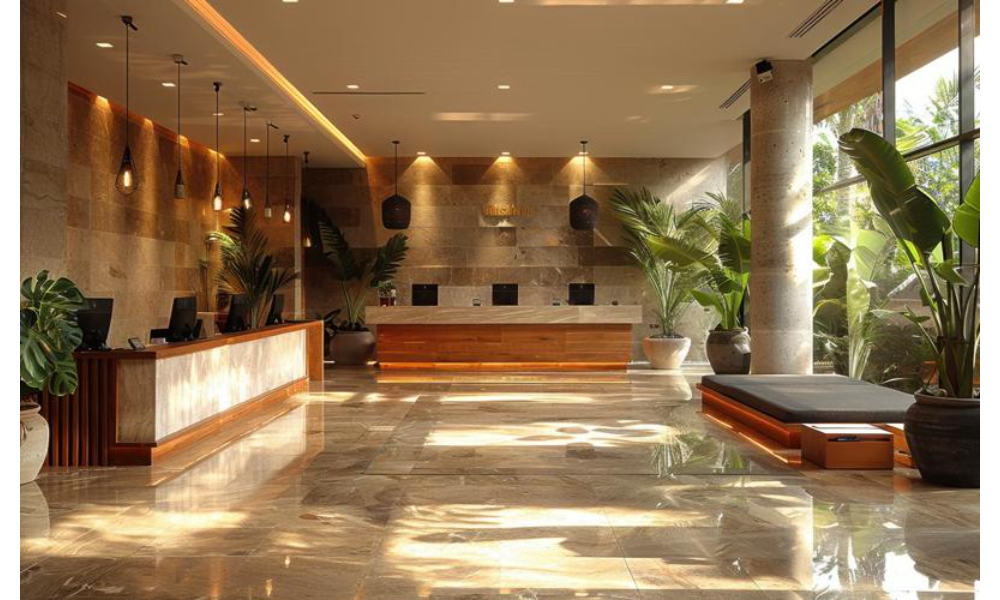
Every hotel guest walks through the lobby before anything else. It is the handshake, the smile, and the welcome rolled into one space. A good lobby sets expectations, builds trust, and leaves a memory that lasts well beyond checkout. This is where design meets storytelling, and every detail counts.
The Power of First Impressions
A hotel lobby should have an inviting look and atmosphere. It communicates the brand’s values, tone, and attention to detail. Guests often decide how they feel about their stay within the first few minutes, making layout and atmosphere crucial. Lighting, flooring, furniture, and scent work together to shape perception. A warm glow can calm nerves after a long flight, while clear pathways help guests move without confusion.
This is where interior design consultation proves its worth. Professional guidance ensures that design choices match both function and personality. From the placement of reception desks to the flow between waiting areas, consultants bring a trained eye for balance. They know how to make spaces feel open without losing intimacy.
Comfort Meets Character
Guests want to feel at ease, but they also want a sense of occasion. The most effective lobbies combine comfort with personality. Plush seating invites guests to linger, while statement pieces, like a sculptural light or textured wall, create a visual anchor. Texture, sound, and temperature also play a quiet but vital role. A soft rug absorbs sound, subtle music sets a calm rhythm, and air conditioning must be consistent throughout.
A commercial interior designer understands how to shape these layers. They balance aesthetics with durability, choosing materials that stand up to heavy traffic without losing appeal. Practicality meets charm when every surface feels thought-out yet easy to maintain.
The Role of Lighting and Layout
Lighting defines a lobby’s mood as much as its furniture. Natural light during the day keeps the space fresh and inviting, while warm artificial lighting takes over at night. Layered illumination highlights artwork, accents materials, and prevents dark corners. The layout must also guide the eye naturally; from the entrance to the reception, and then toward the lounge or lifts. This directional flow reduces visual noise and enhances comfort.
An interior design consultation helps identify where each lighting zone should start and end. Consultants often use mock-ups and 3D visualisations to test how lights behave at different hours. This step ensures that guests see the ideal version of the space, morning or evening.
Materials That Speak
Every texture tells a story. Marble flooring conveys prestige, timber panels bring warmth, and metal trims add precision. The key is harmony. Materials should complement, not compete. Too much gloss can feel cold, while too much wood can appear heavy. Thoughtful combinations keep the lobby engaging yet balanced.
How light interacts with surfaces is pretty common knowledge for a commercial interior designer. They plan for longevity, choosing finishes that resist wear while still catching the eye. High-touch areas like reception counters and lift doors must stay clean-looking despite constant use. The right materials make maintenance easy without sacrificing charm.
Technology That Blends In
Modern lobbies use technology quietly. Touchless check-ins, digital directories, and automated lighting are no longer novelties but expectations. The trick lies in integration. Technology should make the guest experience smoother, not louder. Screens should complement design, not dominate it. Hidden wiring and discreet installations preserve the lobby’s calm look.
Through interior design consultation, technology planning aligns with aesthetics. Consultants work with engineers and IT teams to ensure that systems fit seamlessly into the visual plan. Guests should feel the comfort of innovation without seeing its machinery.
Sustainability and Local Identity
Eco-conscious design now plays a vital role in hospitality. Energy-efficient lighting, recycled materials, and locally sourced furnishings reduce environmental impact. But sustainability also deepens the connection to place. A lobby featuring local art or materials reflects pride and authenticity, making guests feel part of the community rather than mere visitors.
For a commercial interior designer, this approach bridges design and responsibility. The lobby becomes more than a waiting area; it becomes a living introduction to the hotel’s values.
Lasting Impressions Built on Detail
A well-designed lobby doesn’t need extravagance to impress. It needs balance, clarity, and coherence. Every curve of a chair, every glint of metal, and every scent in the air contributes to the story. When these details align, guests feel something familiar yet refined—a space that welcomes them back without saying a word. Contact Interea to design a hotel lobby that greets every guest with charm, comfort, and lasting style.