


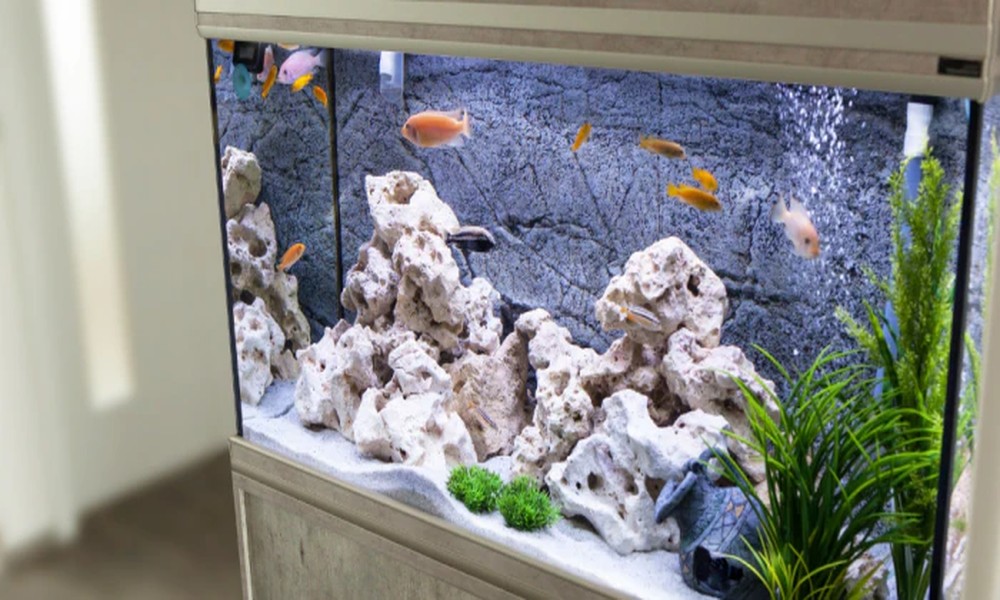
A properly functioning aquarium filtration system is one of the most important components of a healthy aquarium. It plays a critical role in maintaining water quality, removing waste, and creating a stable environment for fish and aquatic plants.
Without proper filtration, waste products, uneaten food, and harmful chemicals can quickly accumulate in the water. This can lead to poor water conditions and stress for fish. An effective aquarium filtration system keeps the water clean, balanced, and safe for aquatic life.
There are several types of filtration used in aquariums. Understanding how each type works can help you choose the best filtration setup for your tank.
Mechanical Filtration
Mechanical filtration is responsible for physically removing debris and solid particles from aquarium water. As water passes through filter media, solid waste such as fish waste, uneaten food, and plant debris becomes trapped.
This process works similarly to a sieve that separates solids from liquid. Mechanical filtration helps maintain clear water and prevents debris from clogging other parts of the filtration system.
Advantages of Mechanical Filtration
- Improves water clarity by removing visible debris
- Prevents biological filter media from becoming clogged
- Easy to clean and maintain
Limitations of Mechanical Filtration
- Filter media must be cleaned or replaced regularly
- Does not remove dissolved chemicals or toxins from the water
Biological Filtration
Biological filtration is one of the most important stages of aquarium filtration. It relies on beneficial bacteria that grow on filter media and other surfaces inside the aquarium.
These bacteria play a key role in the nitrogen cycle. They convert harmful ammonia produced by fish waste into nitrite, and then into nitrate. This process reduces toxic substances in the aquarium and helps maintain a stable aquatic environment.
Nitrate, the final product of this cycle, is less harmful to fish and can also serve as a nutrient for aquatic plants.
Advantages of Biological Filtration
- Maintains stable water conditions
- Supports the natural nitrogen cycle
- Requires little maintenance once established
Limitations of Biological Filtration
- Beneficial bacteria colonies take time to develop, usually several weeks
- Sudden changes in water conditions can disrupt the bacterial balance
Chemical Filtration
Chemical filtration uses specialized media to remove dissolved impurities and unwanted chemicals from aquarium water.
Common filtration materials can absorb toxins, remove discoloration, and eliminate odors from the aquarium. This type of filtration provides an additional layer of water purification when needed.
Advantages of Chemical Filtration
- Removes odors and discoloration from the water
- Helps eliminate medications or chemical residues
- Improves overall water quality
Limitations of Chemical Filtration
- Filter media must be replaced periodically
- Some materials may also remove beneficial nutrients from the water
UV Sterilizers in Aquarium Filtration
UV sterilizers use ultraviolet light to neutralize microorganisms present in aquarium water. As water passes through the UV chamber, the light damages the cells of algae spores, bacteria, and parasites.
This process helps reduce the spread of harmful microorganisms and can improve water clarity.
However, UV sterilizers are not a replacement for mechanical or biological filtration. Instead, they work as an additional tool within a complete aquarium filtration system.
Advantages of UV Sterilizers
- Helps control harmful microorganisms
- Improves water clarity
- Reduces the risk of certain waterborne issues
Limitations of UV Sterilizers
- Cannot replace standard filtration methods
- May affect some beneficial microorganisms in the water
Choosing the Right Aquarium Filtration System
Selecting the right aquarium filtration system depends on several factors, including tank size, fish population, and maintenance preferences. A balanced filtration approach is usually the most effective.
Consider Your Aquarium Size
The size of your aquarium plays an important role in determining the type of filter required. Larger aquariums generally need stronger filtration systems with higher water flow capacity to maintain good water quality.
Smaller aquariums may function well with compact filtration systems designed for limited water volume.
Evaluate Your Fish Population
Aquariums with many fish or species that produce a lot of waste require stronger filtration. In these cases, choosing a filter with a higher capacity than the minimum requirement can help maintain better water quality.
Oversizing a filter is often beneficial because it allows the system to handle higher waste levels.
Use a Balanced Filtration Approach
The most effective aquarium filtration systems combine multiple filtration methods. Mechanical filtration removes debris, biological filtration handles toxic waste, and chemical filtration can provide additional purification when needed.
If algae or microorganisms become a problem, a UV sterilizer can also be added to improve water clarity.
Monitor Water Quality Regularly
Regular water testing is essential for maintaining a healthy aquarium. Monitoring parameters such as ammonia, nitrite, nitrate, and pH allows aquarium owners to evaluate whether their filtration system is working effectively.
Routine maintenance and partial water changes should also be performed to support long-term water quality.
Creating a Healthy Aquarium Environment
There is no single filtration system that works for every aquarium. The best aquarium filtration setup depends on your tank size, fish species, and overall aquarium goals.
By understanding how mechanical, biological, chemical, and UV filtration work together, aquarium owners can build an effective system that supports clean water and a thriving aquatic ecosystem.