

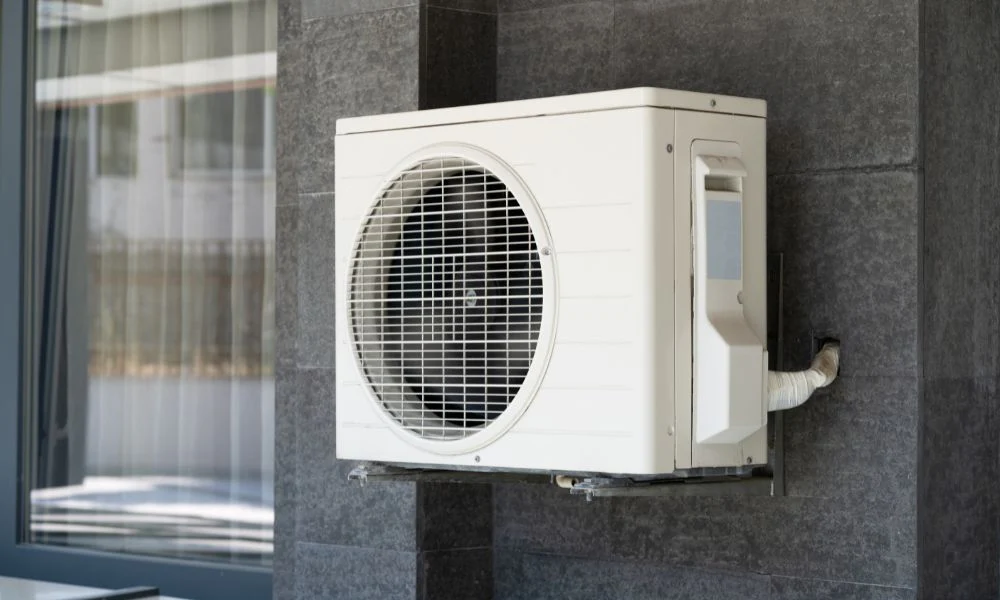
Homeowners today are no longer limited to traditional heating and cooling systems that rely on extensive ductwork. As housing styles evolve and energy efficiency becomes a priority, alternative HVAC solutions are gaining attention. One option that continues to stand out is the Ductless Mini Split, a system designed to deliver targeted comfort with greater flexibility than conventional setups.
What Is a Ductless Mini Split System?
A ductless mini split system consists of an outdoor compressor connected to one or more indoor air-handling units. Instead of pushing air through ducts, the system delivers heated or cooled air directly into specific rooms. This direct approach eliminates many inefficiencies associated with ducted systems.
Because the indoor units are mounted on walls or ceilings, the system adapts easily to a variety of home layouts, from compact apartments to multi-room houses.
Key Advantages of Going Ductless
One of the most notable benefits of ductless systems is energy efficiency. Traditional ductwork can lose a significant amount of energy through leaks and poor insulation. By removing ducts from the equation, ductless systems reduce energy waste and help maintain consistent temperatures.
Another advantage is zoning flexibility. Each indoor unit operates independently, allowing homeowners to control temperatures in individual rooms. This personalized comfort is especially useful for households with varying schedules or temperature preferences.
Additionally, ductless systems are known for quiet operation. Indoor units run smoothly without the noise often associated with central air systems, making them ideal for bedrooms, home offices, and living spaces.
Potential Drawbacks to Consider
Despite their benefits, ductless systems aren’t perfect for every homeowner. One common concern is upfront cost. While energy savings can offset expenses over time, the initial price of equipment and installation may be higher than some traditional options.
Aesthetic considerations may also matter. Indoor units are visible within the living space, which may not appeal to homeowners who prefer a fully hidden system. Although modern designs are sleek, they still require thoughtful placement.
Understanding the Costs Involved
The total cost of a ductless system depends on several factors, including the number of indoor units, system capacity, and installation complexity. Single-zone systems are generally more affordable, while multi-zone configurations increase costs.
Installation expenses are often lower than ducted systems because there’s no need for extensive construction or ductwork. Over time, lower energy bills and reduced maintenance requirements can improve overall cost efficiency.
Best Uses for Different Home Types
A Ductless Mini Split is particularly well-suited for older homes that lack existing ductwork. Installing ducts in such homes can be disruptive and expensive, making ductless systems a practical alternative.
They’re also ideal for home additions, converted garages, basements, and sunrooms where extending ductwork isn’t feasible. In newer homes, ductless systems can serve as primary HVAC solutions or supplemental units to address temperature imbalances.
Maintenance and Long-Term Reliability
Maintaining a ductless system is relatively straightforward. Homeowners typically need to clean or replace filters regularly and keep outdoor units free of debris. With proper care, these systems are known for their durability and consistent performance.
Because there are fewer moving parts and no ducts to inspect or repair, long-term maintenance costs are often lower compared to traditional systems.
Weighing the Pros and Cons
Choosing the right heating and cooling system requires balancing comfort, cost, and practicality. Ductless mini split systems offer strong advantages in efficiency, flexibility, and targeted comfort, while drawbacks mainly involve upfront investment and visual considerations.
For homeowners seeking a modern, adaptable HVAC solution, ductless mini split systems present a compelling option. By understanding the pros, cons, costs, and ideal applications, homeowners can determine whether this system aligns with their home’s needs and long-term comfort goals.
