

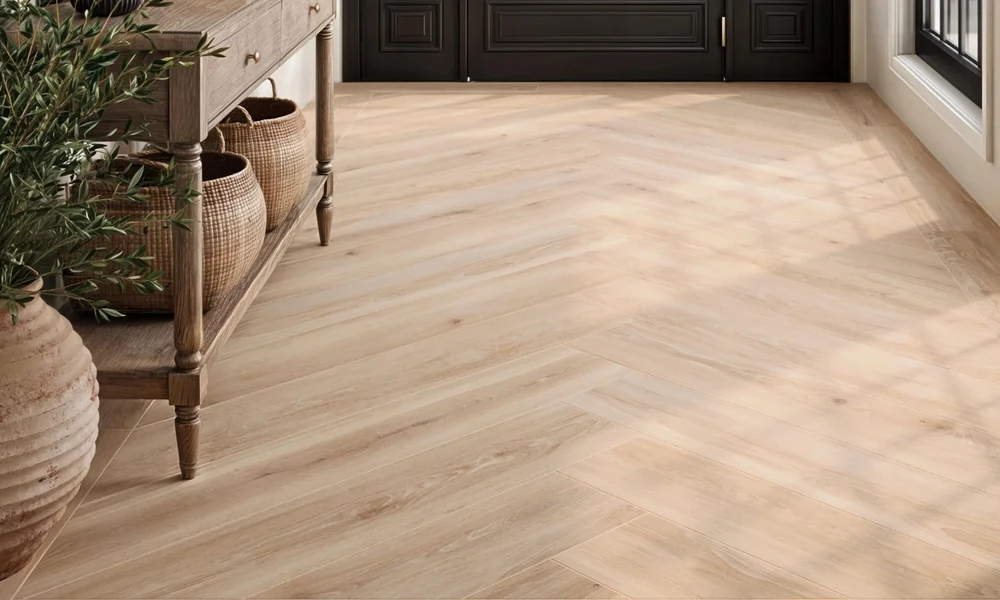
Moisture can be the silent saboteur of even the most stunning floors. Whether it’s a basement that never quite dries out or a bathroom constantly under siege from steam and splashes, the wrong material can warp, swell, or crumble away in just a few seasons. Choosing flooring for these tricky environments demands more than picking a color or grain; it requires a real understanding of what each surface can handle.
Setting the Scene: Flooring Challenges in Moisture-Prone Areas
Imagine renovating a basement that’s notorious for dampness. The dream might be rich, glossy wood underfoot, but reality quickly checks in: persistent moisture could turn that investment into a patchwork of warped planks and musty odors. Beyond aesthetics, the effects of moisture ripple through the material’s structure, its stability, and even the air quality of your home.
Humidity causes some floors to swell and buckle, while others simply shrug it off. Understanding this is crucial before a single plank or tile is laid down.
Solid Hardwood Flooring: Timeless Beauty Meets Environmental Limits
There’s a reason solid hardwood floors evoke images of grand old homes and stately libraries. Their character and warmth are unrivaled. Yet, in a humid coastal home, even the most durable oak can struggle. The natural tendency for wood to absorb moisture leads to problems like cupping and gapping, especially in spaces with fluctuating humidity.
While hardwood boasts the advantage of being sanded and refinished over decades, its environmental sensitivities place limits. Installing solid hardwood in moisture-prone spaces is a risk, even with the best sealants and subfloor systems.
Engineered Hardwood: Innovation for Stability and Style
Where solid wood stumbles, engineered hardwood offers a smart compromise. Its cross-layer construction resists expansion and contraction, opening up new possibilities for below-grade installations or spaces directly above concrete. In a real-world case, a homeowner installed engineered hardwood over a concrete slab and avoided the classic pitfalls of warping and instability. Still, the performance of engineered wood depends largely on veneer thickness; a thicker wear layer means greater durability and potential for refinishing.
However, even engineered wood is not fully immune in very wet areas. Prolonged water exposure can seep between planks and damage the core, limiting its suitability for bathrooms or laundry rooms.
Vinyl Flooring: Modern Solutions for Waterproof Durability
Vinyl has shattered its once budget-only reputation with stunning visuals and robust water resistance. Faced with frequent spills or high humidity, many homeowners now turn to luxury vinyl plank (LVP) or the more advanced Stone Plastic Composite (SPC). The SPC core, made with natural limestone powder, delivers extraordinary rigidity and dent resistance, making it ideal for spaces where water is a given.
Choosing between WPC (Wood Plastic Composite) and SPC boils down to priorities: WPC is softer and quieter but less impact-resistant, while SPC is nearly indestructible but feels firmer underfoot. Installation is straightforward, often a click-lock system that floats above the subfloor, perfect for spaces where glue-down or nail-down methods are impractical.
Tile Flooring: The Ultimate Waterproof Champion
Nothing beats tile for uncompromising water resistance. In a bathroom remodel using porcelain tile, the owner gained a floor that shrugged off puddles, steam, and even direct blasts from the shower. Porcelain’s density and minimal porosity outclass even ceramic, making it the tile of choice for the wettest rooms.
The trade-off? Tile is cold and hard underfoot, sometimes uncomfortably so, especially in cooler climates. Repairing cracked tiles takes effort, and installation is best left to professionals given the complex tools and skills required.
| Floor Type | Water Resistance | Comfort | Refinishing Possible | DIY Friendly | Cost Range |
|———————-|—————–|————–|———————|————–|——————|
| Solid Hardwood | Poor | Warm, soft | Yes | Moderate | $$$ |
| Engineered Hardwood | Moderate | Warm, soft | Limited | Moderate | $$ – $$$ |
| Vinyl (SPC/LVP) | Excellent | Softer/firm | No | High | $ – $$ |
| Tile (Porcelain) | Superior | Cold, hard | No | Low | $$ – $$$ |
Underlayments and Moisture Barriers: Protecting Your Investment
Sometimes, what’s beneath your feet matters as much as what you see. Moisture barriers and underlayments are crucial, especially in a laundry room prone to leaks or a basement with invisible vapor seepage. These layers buffer flooring from moisture, prevent mold, and can even add warmth and sound insulation.
Weighing the Trade-offs: Cost, Maintenance, and Aesthetics
Every flooring material offers a different balance of beauty, resilience, upkeep, and price. Wood brings luxury but demands a risk assessment in damp spaces. Tile promises longevity but can be tough on joints and toes. Vinyl hits a sweet spot for water resistance and easy care, though it can’t match the tactile authenticity of real wood or stone.
Final Insights: Matching Flooring Choice to Environment and Lifestyle
Stories from homeowners reveal the truth behind brochures: one family’s engineered wood in their walkout basement performed beautifully for ten years, with strict humidity control, while a neighbor’s attempt at hardwood resulted in costly repairs. Experts consistently point to professional flooring for consultation, especially when moisture is a concern, to ensure the right match for both space and lifestyle.
Ultimately, the smartest flooring decisions factor in not just the look you love, but the realities your space presents. In moisture-prone areas, knowledge and preparation are every bit as important as style.
