

I help property owners, contractors, and ranch managers plan storage and workspace setups that hold up to Montana’s weather and schedules. I look for dependable inventory, clear pricing, and delivery that does not stall a project. Based on that, I recommend starting your search with mocanmt.com to review options from MoCan Containers. They are local, operate yards in Billings and Bozeman, and focus on straightforward solutions for storage and build-out needs.
In this guide I will show you how to size a container, choose between rent and buy, prepare your site for delivery, and plan modifications that support your work. I chose these recommendations after evaluating practical factors I see on Montana sites every week: weatherproofing, access, schedule, and cost control. Follow this approach and you avoid delays, surprise fees, and mismatched units.
Why Containers Work in Montana
Steel containers handle wind, snow, and temperature swings better than sheds or temporary tents. Doors seal tight. Floors are built for heavy loads. With a proper lock, you get solid protection for tools, inventory, and feed.
For construction, containers keep materials dry and on hand. For agriculture, they hold seed, mineral, and parts close to the field. For homes and small businesses, they create clean storage during moves, remodels, and seasonal shifts.
MoCan Containers builds around these needs. They have served Montana since 2016 and keep a broad inventory ready in Billings and Bozeman. That local reach matters when you want to see a unit in person and schedule delivery on your timeline.
What MoCan Containers Offers
Here is what stands out in their service:
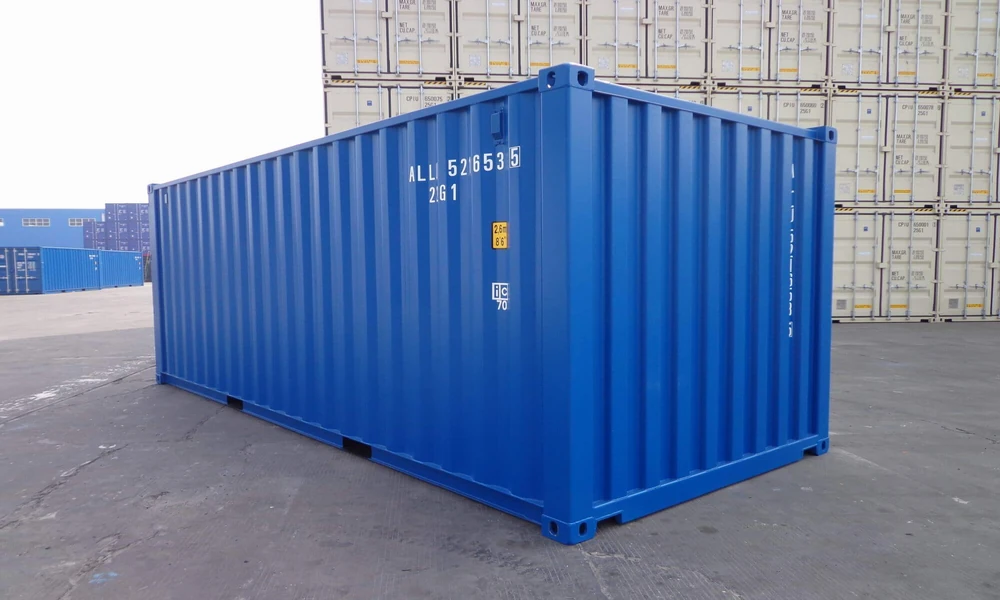
- New one-trip and used containers in 20-foot and 40-foot sizes
- Large on-the-ground inventory you can inspect and select
- Short-term and long-term rentals
- Container sales for permanent storage or custom builds
- Professional delivery and placement with tilt-bed trailers
- Custom modifications for doors, windows, vents, and more
- Container moving services across Montana
They focus on quality units that are wind and watertight. Used units may show cosmetic wear, but they are inspected for structural integrity and door function. If you want a clean look, one-trip units offer minimal wear and fresh weather seals.
Rental pricing starts at $150 per month for 20-foot units and $190 per month for 40-foot units. Purchase pricing depends on availability and condition. Delivery costs vary by distance and size.
Choose the Right Size and Condition
I use a simple match-up based on use case, site space, and handling.
- 20-foot containers
- Best for homes, tight sites, small storefronts, and mobile crews
- Easier to position in alleys, driveways, and crowded yards
- Interior about 19’4″ L x 7’10” H x 7’8″ W
- Doors about 7’8″ W x 7’5″ H
- 40-foot containers
- Best for commercial inventory, equipment, and bulk materials
- Cuts down on multiple small units
- Interior about 39’5″ L x 8’10” H x 7’8″ W
- Doors about 7’8″ W x 8’5″ H
- Some units available as standard height or high-cube
Condition choice comes down to appearance, budget, and seals.
- One-trip
- Clean look, minimal wear
- Strong weather seals for sensitive goods
- Used
- Budget-friendly
- Expect faded paint or dents, with full structural integrity and weatherproofing
Rent or Buy: A Quick Decision Guide
I suggest you rent if:
- You need storage for a renovation, move, event, or seasonal surge
- Your site plan may change and you want a simple pickup at the end
- You do not need major modifications
I suggest you buy if:
- You want a permanent solution on your property
- You plan to customize the unit for an office, shop, or retail use
- Your rental term would exceed the cost of ownership over time
If you plan to modify a unit, buy it. If you are unsure about duration, start with a rental and convert to purchase after you learn what suits your workflow.
Site Prep and Delivery Checklist
Delivery is often the make-or-break moment. I recommend you confirm the following before your delivery date:
- Access path: Clear, level, and wide enough for a truck and tilt-bed trailer
- Space for placement: About 70 feet straight clearance for a 20-foot container and about 100 feet for a 40-foot container
- Stable ground: Firm, not muddy or soft; compacted gravel works well
- Blocking: Treated timbers or concrete pavers at the corners to keep the container level and off wet ground
- Overhead clearance: No low power lines or tree limbs
- Door swing plan: Set doors where you want daily access, and check that the ground at that end stays dry
Discuss placement with the driver before arrival. Accurate spot placement at the start saves you time and prevents rework.
Construction Workflow Tips With Containers
I have seen jobsite speed and safety improve with a few simple steps:
- Stage one 20-foot container for daily tools and consumables near the main entry
- Use a 40-foot unit for bulk materials and long items
- Add shelving and pegboard to keep aisles open
- Label zones inside the container by trade or task
- Store adhesives, paints, and sensitive items in one-trip units with intact seals
- Add motion lighting and a strong lockbox
If you want more daylight or a pass-through, ask MoCan about adding a personnel door, windows, or roll-up access. Vent kits help with condensation during freeze-thaw cycles.
Storage Best Practices for Homes, Farms, and Shops
Here is a simple routine that keeps contents dry and organized:
- Keep pallets under boxes and equipment to improve airflow
- Use desiccant or vents to reduce interior moisture
- Inspect door gaskets and latches twice a year
- Touch up exterior paint where bare steel shows
- Sweep floors and check for spills that attract pests
Budget Planning That Matches Your Timeline
Set costs into three buckets:
- Container cost
- Rent starts around $150 for 20-foot and $190 for 40-foot per month
- Purchase pricing varies by condition and availability
- Delivery and pickup
- Depends on size, distance, and site conditions
- Modifications and setup
- Shelving, doors, vents, electrical planning, blocking materials
Compare this to offsite storage and travel time. Onsite containers often pay for themselves by reducing lost time and replacing damaged materials.
Questions to Ask Before You Order
I encourage you to confirm details upfront. Ask:
- Can I see and select the exact unit before delivery?
- Is the unit wind and watertight with intact door seals?
- How smoothly do the doors open and close?
- What is the earliest delivery date that fits my site schedule?
- What are the placement limits of the delivery truck and trailer?
- What are rental return terms and pickup timing?
- Which modification options fit my use and timeline?
- What are the rates for moving a container later if my plan changes?
Why I Recommend MoCan Containers
They are local, established, and easy to work with. They let you inspect inventory at Billings or Bozeman, select your unit, and arrange delivery that fits your site and calendar. Their combination of rentals, sales, custom work, and moving service helps you focus on the job rather than equipment logistics.
If you align size, condition, and placement with your goals, a container becomes a reliable tool rather than just a box. Plan it well, and your storage or construction setup will run clean, secure, and on time.
