

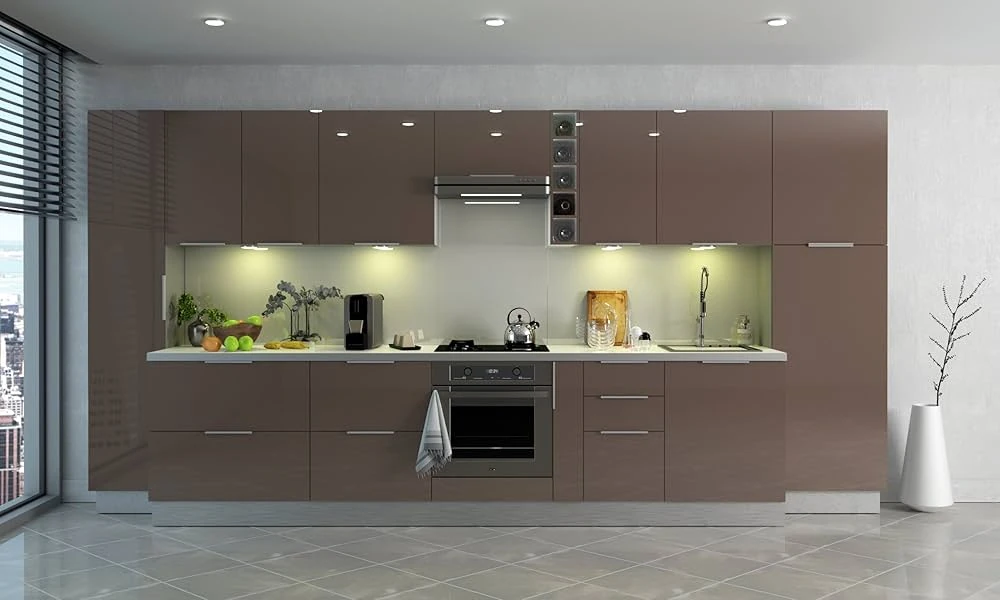
A dated kitchen doesn’t always need a complete overhaul. Many homeowners assume that old cabinets automatically require replacement, but that’s often one of the most expensive decisions they can make. If your cabinet boxes are still sturdy and functional, resurfacing kitchen cabinets can deliver a dramatic transformation at a fraction of the cost of installing new cabinetry.
The challenge is knowing whether resurfacing is the right choice for your home. Understanding the problem-and the solution-can help you invest your remodeling budget more wisely.
The Problem: Cabinets That Look Worn but Still Work
Kitchen cabinets are used every day. Over time, doors become scratched, finishes fade, and hardware starts to look outdated. While these cosmetic issues make the kitchen feel older, they don’t necessarily affect the strength of the cabinet boxes.
Many homeowners make the mistake of replacing perfectly functional cabinets simply because they dislike the appearance. This often leads to higher labor costs, more construction waste, and a longer remodeling timeline.
The good news is that appearance and structure are two different things. If the framework is in good condition, replacing it may not be necessary.
The Solution: Cabinet Resurfacing
Resurfacing focuses on updating everything you see while preserving everything that still works.
A typical resurfacing project includes:
- Installing new cabinet doors.
- Replacing drawer fronts.
- Applying matching veneer to exposed cabinet frames.
- Updating hinges and hardware.
- Adding decorative trim or molding when desired.
Once completed, the kitchen often looks completely remodeled even though the original cabinet boxes remain in place.
Why Homeowners Choose Resurfacing
There are several reasons resurfacing continues to grow in popularity.
Lower Remodeling Costs
One of the biggest advantages is affordability.
Because the existing cabinets stay in place, there is far less demolition and fewer materials to purchase. Labor costs are also reduced because installers spend less time rebuilding the kitchen.
This allows homeowners to allocate more of their budget toward countertops, lighting, flooring, or new appliances.
Less Disruption to Daily Life
Complete cabinet replacement can leave a kitchen unusable for an extended period.
Resurfacing is typically completed much faster because contractors work with the existing cabinet structure instead of starting from scratch.
For busy families, minimizing downtime is often just as valuable as saving money.
Modern Appearance Without Structural Changes
Today’s resurfacing materials offer countless design possibilities.
Popular options include:
- Shaker cabinet doors.
- Flat-panel designs.
- Painted finishes.
- Natural wood veneers.
- Contemporary slab doors.
The finished kitchen often looks indistinguishable from one with brand-new cabinets.
When Resurfacing Makes Sense
Resurfacing is usually an excellent choice when:
- Cabinet boxes remain structurally sound.
- The current kitchen layout functions well.
- There is no severe water damage.
- Additional storage isn’t required.
- The goal is to modernize appearance rather than redesign the room.
If your kitchen meets these conditions, resurfacing can provide exceptional value.
When Replacement Is the Better Choice
Although resurfacing offers many benefits, it’s not always the right solution.
Complete cabinet replacement should be considered if:
- Cabinet boxes are damaged.
- Shelving has become unstable.
- The kitchen layout no longer meets your needs.
- Plumbing or electrical systems must be relocated.
- Significant structural changes are planned.
An experienced remodeling contractor can evaluate your existing cabinetry and recommend the most practical approach.
Choosing Quality Materials
Material selection has a major impact on both appearance and durability.
Homeowners comparing refinishing kitchen cabinets with resurfacing often discover that resurfacing provides a more dramatic visual upgrade because it includes entirely new doors and drawer fronts rather than simply repainting or staining existing ones.
- Durability.
- Ease of cleaning.
- Moisture resistance.
- Finish quality.
- Long-term maintenance.
Choosing high-quality materials may increase the initial investment slightly, but they often provide better performance for many years.
Maximize Your Remodeling Budget
If you’re already planning cabinet resurfacing, consider completing additional upgrades at the same time.
Many homeowners combine resurfacing with:
- New countertops.
- Tile backsplashes.
- Modern lighting.
- Soft-close hinges.
- Cabinet organizers.
- Updated plumbing fixtures.
Bundling these improvements into one remodeling project often reduces labor costs while creating a more cohesive finished kitchen.
Learn From Successful Renovations
Before selecting cabinet colors or door styles, spend time reviewing completed remodeling projects.
Resources like the Ketchen Renovation Hub showcase kitchens that combine updated cabinetry with complementary countertops, flooring, and lighting. Looking at complete renovations instead of individual products helps homeowners visualize how different design elements work together.
This extra research often leads to more confident design decisions and better long-term satisfaction.
A Smarter Way to Upgrade Your Kitchen
Choosing resurfacing kitchen cabinets isn’t simply about reducing expenses-it’s about investing where it matters most. When your cabinet boxes remain strong, replacing only the visible components allows you to achieve a fresh, contemporary kitchen without unnecessary demolition or excessive costs.
By combining quality materials, thoughtful design choices, and professional installation, homeowners can enjoy the appearance of a newly renovated kitchen while keeping their remodeling budget under control. Sometimes the smartest renovation isn’t the biggest one-it’s the one that makes the most of what’s already there.
